Which copper tubing size do I need?
Copper tubes are used for different circuits inside an espresso machine, and the required diameter depends on the original machine design. Do not replace a tube with a larger or smaller diameter simply because it fits physically. Match the outside diameter, wall thickness, routing and end connections to the original pipe.
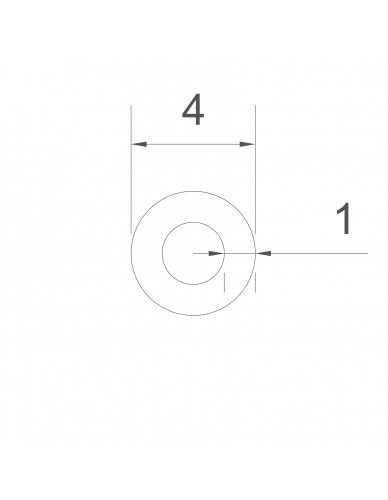
4x1 mm copper tubing
4x1 mm copper tubing has a 4 mm outside diameter, a 2 mm inside diameter and a 1 mm wall thickness. This is the smallest copper tube in the current range and is commonly associated with small pressure lines, such as tubing for espresso machine pressure gauges.
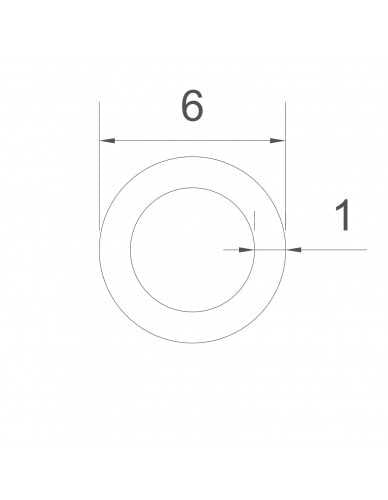
6x1 mm copper tubing
6x1 mm copper tubing has a 6 mm outside diameter, a 4 mm inside diameter and a 1 mm wall thickness. This size is commonly used for smaller hydraulic and pressure-control lines, including connections associated with pressure switches on some espresso machines.
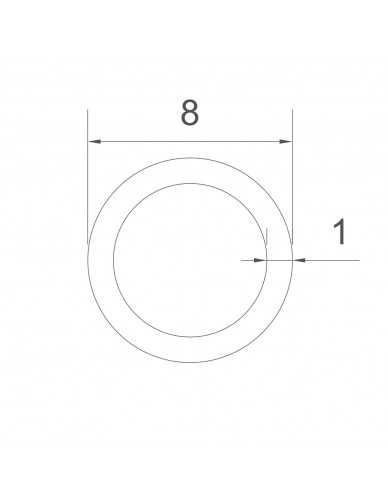
8x1 mm copper tubing
8x1 mm copper tubing has an 8 mm outside diameter, a 6 mm inside diameter and a 1 mm wall thickness. Depending on the machine design, this diameter can be found in filling, water or steam-related pipework, particularly on smaller and domestic espresso machines.
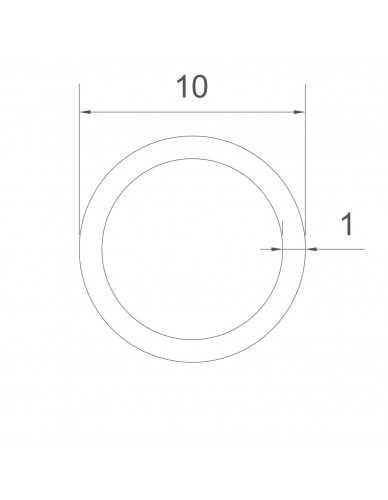
10x1 mm copper tubing
10x1 mm copper tubing has a 10 mm outside diameter, an 8 mm inside diameter and a 1 mm wall thickness. It is one of the larger tube sizes in the range and can be used in higher-flow water circuits such as water-inlet pipework on commercial espresso machines.
12x1 mm copper tubing
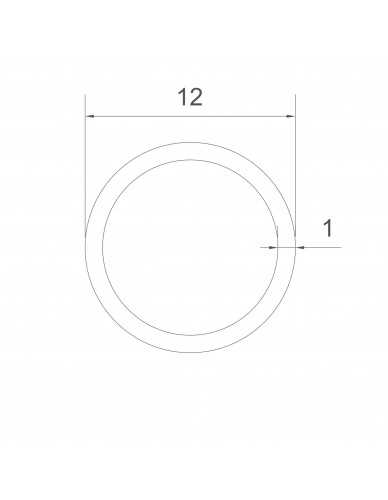
12x1 mm copper tubing has a 12 mm outside diameter and a 1 mm wall thickness. This is the largest diameter in the current category and can be found in larger water circuits, including pipework supplying the brewing group on some commercial espresso machines.
How to select replacement espresso machine tubing
The correct tube should be identified from the original pipe wherever possible. Start by measuring the outside diameter and checking the wall thickness. Also compare the total length, number of bends, bend radius, end fittings and the route the original pipe follows through the machine.
The application alone is not enough to identify the correct diameter. Two espresso machines can use different tube sizes for a similar function, and even machines from the same manufacturer may use different pipework depending on model or production version.
When replacing an existing pipe, also inspect the components at both ends of the tube. A leaking connection may be caused by the tube itself, but it can also involve a worn welding cap, damaged nut, incorrect sealing surface or a problem with the fitting to which the tube is connected.
Welding caps and nuts for copper tubing
Rigid copper tubing in espresso machines is often connected using a brass welding or soldering cap together with a threaded nut. The cap is attached to the end of the copper tube, while the nut provides the clamping force against the corresponding sealing surface.
The tube diameter, welding cap and nut must be selected as a matching system. Our espresso machine welding caps and welding-cap nuts are available for several copper tube diameters and thread sizes. Do not select a cap only by the tube diameter: also check the nut thread and the connection on the valve, boiler, pressure component or fitting.
Replacing damaged copper pipe
Copper pipe may need replacement because of a pinhole leak, corrosion, cracking, deformation or damage to one of the end connections. When replacing a pipe, reproduce the original routing closely enough that the new tube does not interfere with other components and is not placed under unnecessary mechanical stress.
Copper tubing must be formed without sharply kinking or flattening the tube. The tubing sold in this category is supplied rolled rather than as pre-formed machine-specific pipework, so it must be shaped for the individual application.
For machine-specific pre-formed tubes, boiler pipes or heat-exchanger components, first check whether a dedicated replacement part exists for the machine instead of fabricating the assembly from generic tubing.
Copper tubing and other espresso machine fittings
Copper pipework forms part of the wider hydraulic system of an espresso machine. Depending on the repair, you may also need adapters, nipples, T-pieces, elbows, plugs or other connection hardware. Browse the complete espresso machine fittings category when more than the copper tube and its end fittings need to be replaced.
Generic fittings are not automatically interchangeable just because they have a similar appearance. Always compare thread standard, thread size, male or female connection, sealing method and installation dimensions.
Working safely on espresso machine pipework
Espresso machine water and steam circuits operate under pressure and at elevated temperatures. Disconnect the machine from the electricity and water supply and allow it to cool and depressurise before working on the hydraulic system.
Forming and joining copper tubing requires the correct tools and experience. A poorly formed or incorrectly joined connection can leak when the machine reaches operating temperature and pressure. If the specification or repair method is uncertain, have the pipework replaced by a qualified espresso-machine technician.
Need help selecting copper tubing?
If you are unsure which copper tube or end fitting you need, measure the outside diameter of the original pipe and note the thread size and type of connection at both ends. Clear photographs of the complete pipe, its fittings and its position inside the machine can also help with identification. Contact Brooks Parts if you need help identifying the correct tubing or fitting.