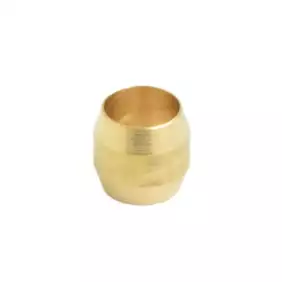
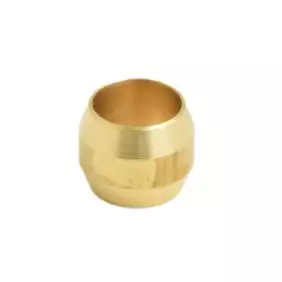
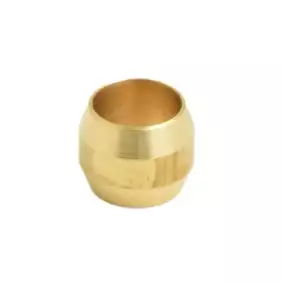
How to choose the correct welding cap
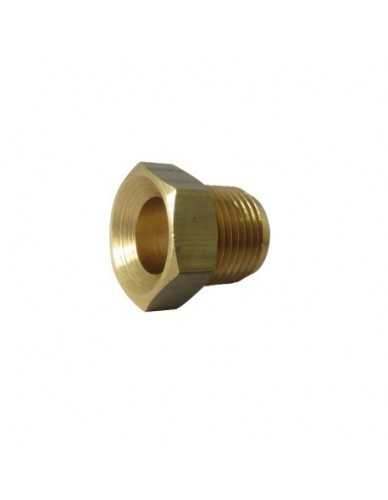
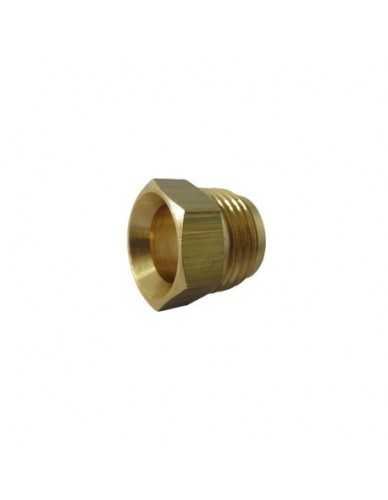
A welding-cap connection consists of several parts that must fit together correctly: the copper tube, the welding or soldering cap, the threaded nut and the component to which the pipe connects. The safest way to select a replacement is therefore to identify the connection step by step.
1. Measure the copper tube outside diameter
Start by measuring the outside diameter of the original copper tube. Espresso machines commonly use several sizes, including 4, 6, 8, 10 and 12 mm. The welding cap must be designed for the exact tube diameter.
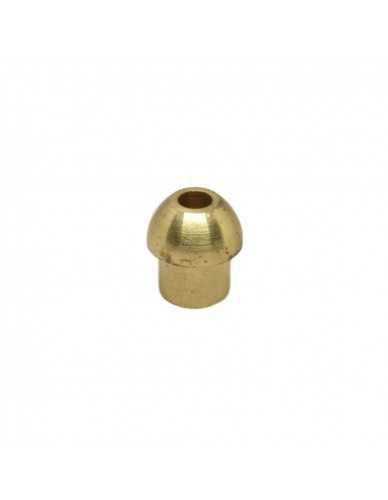
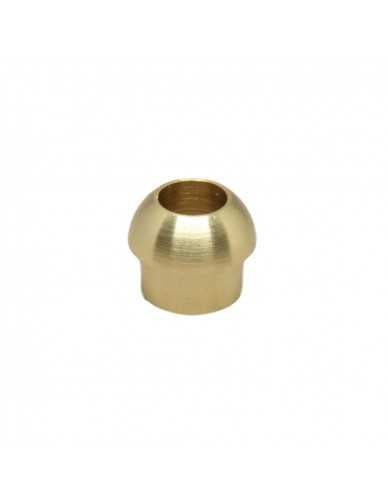
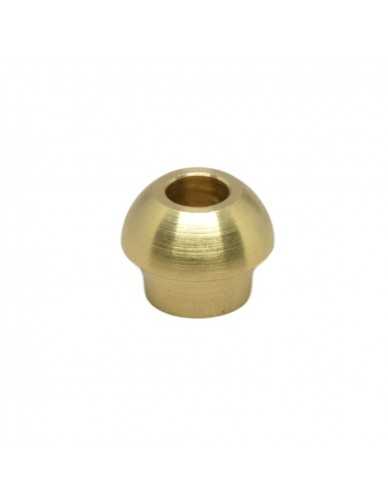
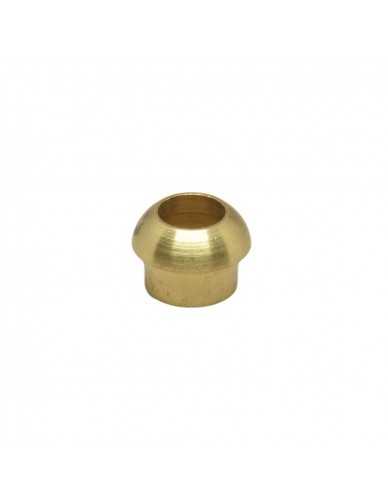
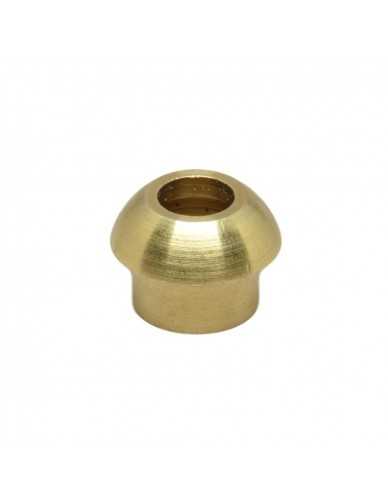
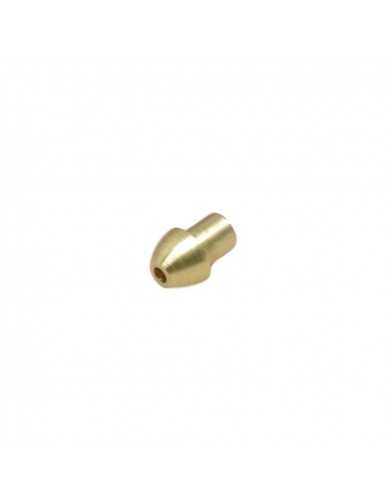
For the smallest tubing in the current range, see the 4 mm brass welding cap. For 6 mm tubing there are several possible connection types, including the 6 mm welding cap for a 1/8" BSP-G connection, the 6 mm / 1/4" welding cap and the 6 mm / 3/8" welding cap. This shows why tube diameter alone is not enough to select the correct fitting.
2. Identify the required BSP-G thread
Next, determine the thread of the component to which the pipe connects. Welding-cap assemblies can use BSP-G connections such as 1/8", 1/4", 3/8" and 1/2". The thread size describes the threaded connection and is separate from the diameter of the copper tube.
For example, an 8 mm tube can use a welding cap for an 8 mm tube with a 1/4" nut or an 8 mm welding cap for a 3/8" nut. Both are intended for 8 mm tubing, but they connect to different threaded fittings.
3. Match the welding-cap nut
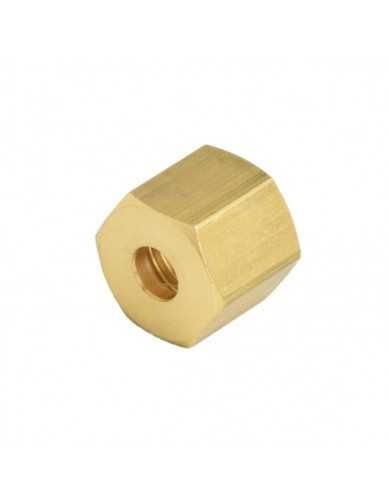
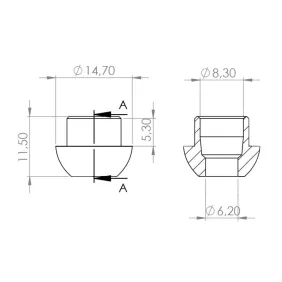
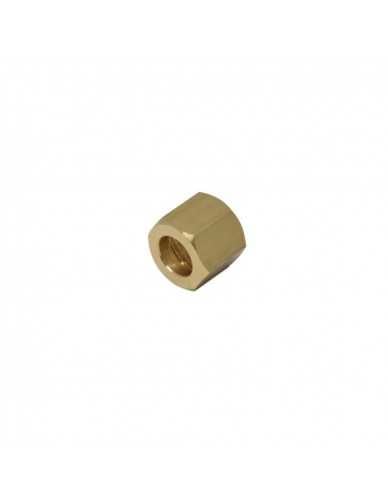
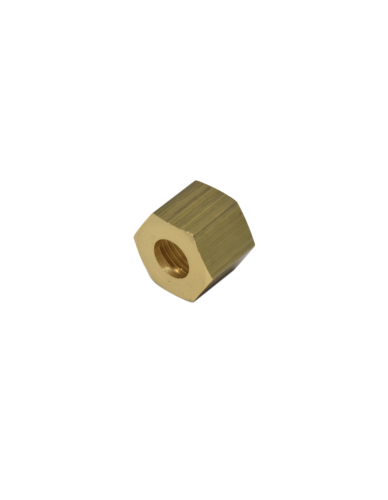
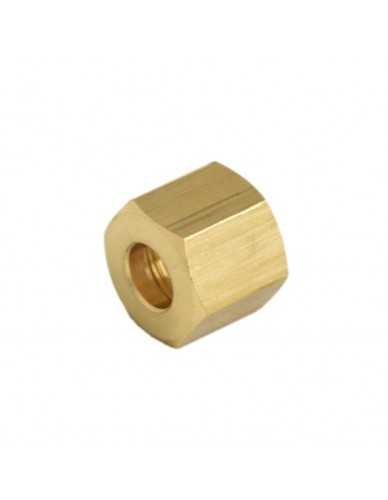
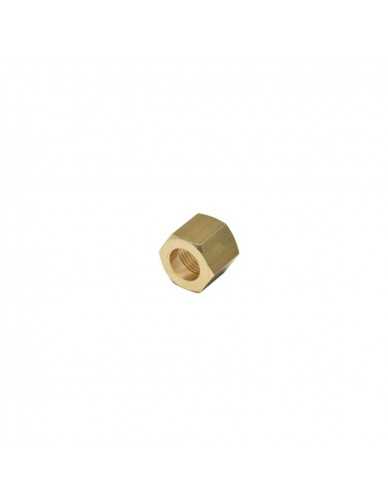
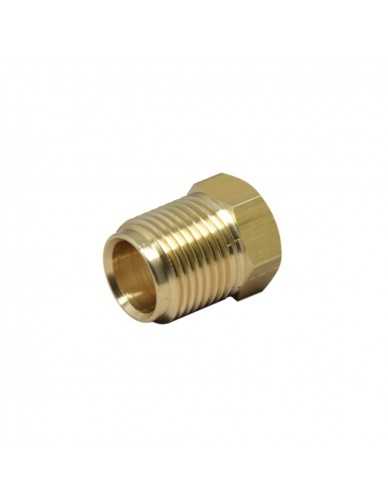
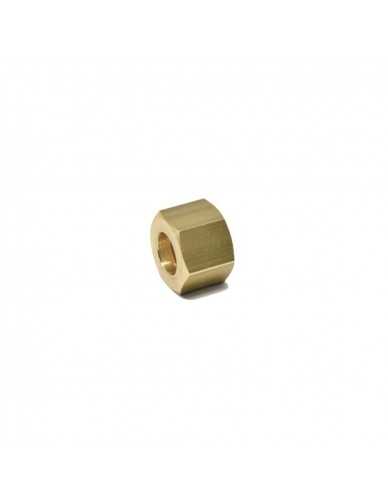
The nut must fit both the threaded connection and the welding-cap assembly. Check the BSP-G thread, the diameter of the opening through the nut and the dimensions of the original component. A nut with the correct nominal thread is not automatically suitable for every cap used with that thread size.
For example, Brooks Parts stocks a 1/4" BSP-G nut for a 6 mm welding-cap assembly as well as a 3/8" BSP-G nut for a 10 mm welding-cap assembly. The central opening and welding-cap dimensions differ even though both products belong to the same general type of connection hardware.
For other locking, fitting and connection nuts, browse the complete espresso machine nuts category.
Welding caps for 4 mm copper tubing
Four-millimetre copper tubing is one of the smallest pipe sizes used in espresso-machine hydraulic systems and can be found in small pressure and instrument lines. When replacing the end fitting, compare the original component with the 4 mm brass welding cap and verify the complete connection before ordering.
If the pipe itself also needs replacement, use 4x1 mm copper tubing where this matches the dimensions of the original pipe.
Welding caps for 6 mm copper tubing
Six-millimetre tubing is used in various small hydraulic and pressure-control circuits. Several welding-cap configurations are available for the same tube diameter.
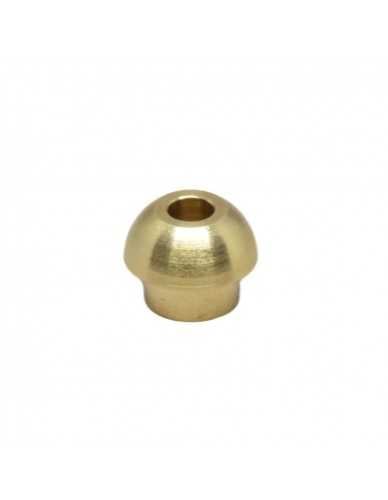
Examples include the 6 mm welding cap associated with a 1/8" BSP-G connection, the 6 mm cap for a 1/4" BSP-G nut and the 6 mm cap for a 3/8" BSP-G nut. Do not assume these parts are interchangeable simply because they are all used with 6 mm copper tubing.
Replacement tubing is available as 6x1 mm copper tube.
Welding caps for 8 mm copper tubing
Eight-millimetre copper tubing can be found in water, filling and other hydraulic circuits depending on the machine design. Brooks Parts carries different cap-and-thread combinations for this diameter.
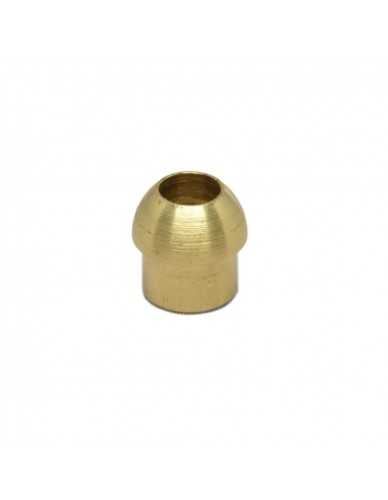
Compare the 8 mm welding cap for a 1/4" BSP-G nut with the 8 mm welding cap for a 3/8" BSP-G nut when identifying the required connection.
There are also machine-family-specific connection styles, such as the Cimbali/Faema bicone soldering cap for 8 mm tubing. This type of bicone connection should not be substituted with a conventional welding cap purely because the tube diameter appears to match.
For replacement pipe material, see 8x1 mm copper tubing.
Welding caps for 10 mm copper tubing
Ten-millimetre tubing is commonly associated with larger hydraulic circuits. Again, the tube diameter does not determine the connection thread by itself.
Brooks Parts stocks a 10 mm welding cap for a 3/8" BSP-G nut as well as a 10 mm welding cap for a 1/2" BSP-G nut. Check which thread and sealing geometry are present on the original machine.
For a 10 mm / 3/8" assembly, the 3/8" brass welding-cap nut for 10 mm applications is one example of why the nut opening must also correspond to the selected cap and tubing.
Replacement pipe is available as 10x1 mm copper tubing.
Welding caps for 12 mm copper tubing
Twelve-millimetre tubing is the largest copper tube size in the current Brooks Parts copper-tubing category and can be used in larger water circuits and brewing-group supply pipework depending on the machine.
For this diameter, see the 12 mm welding cap for a 1/2" BSP-G nut. As with the smaller sizes, verify the tube diameter, thread and sealing shape against the existing connection.
The corresponding replacement tubing can be found as 12x1 mm copper tubing.
BSP-G thread size and copper tube diameter are different measurements
A common identification mistake is to treat the stated BSP-G thread size as if it describes the copper tube. These are separate measurements.
A 10 mm / 3/8" welding cap, for example, is intended for a 10 mm copper tube while the associated threaded connection is 3/8" BSP-G. Likewise, the 8 mm / 3/8" version uses the same nominal thread size but is designed around a different tube diameter and cap geometry.
This is why identifying only the thread or only the tube diameter can lead to the wrong part. Both dimensions must match the original connection.
Standard welding caps and bicone connections
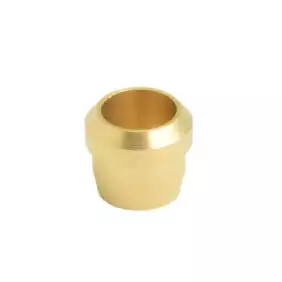
Not all soldered copper-pipe connections use the same cap shape. In addition to conventional rounded welding caps, some espresso machines use bicone-style soldering fittings or other manufacturer-specific connection designs.
For example, the Cimbali/Faema 8 mm bicone soldering cap uses a different connection concept from a standard 8 mm / 3/8" welding cap. Do not substitute one style for the other unless the sealing geometry, nut and mating fitting are known to be compatible.
Why does a welding-cap connection leak?
A leak at the end of a copper pipe does not automatically mean that the copper tubing itself has failed. The problem may also be caused by damage or wear to the welding cap, a damaged nut, an incorrect cap-and-nut combination or deterioration of the sealing surface on the valve or fitting.
Inspect the complete connection before replacing individual components. Look for deformation, corrosion, cracking and signs that the welding cap is no longer seating correctly. Also check whether the nut can tighten the assembly naturally without pulling the copper pipe out of alignment.
If the copper tubing itself is cracked, corroded, flattened or has developed a pinhole, replace the affected pipework with the correct size from the espresso machine copper tubing category.
Making a replacement copper pipe
When fabricating a replacement pipe, reproduce the original tube diameter, routing and end connections as closely as possible. Copper tubing should be formed without sharp kinks or flattening and should align naturally with the two connection points.
Make sure the required welding-cap nuts are positioned on the tube before the end caps are permanently attached. The completed pipe should not need to be forced into position when the nuts are tightened.
For machine-specific pre-formed pipes, boiler tubing or heat-exchanger assemblies, first check whether a dedicated replacement component exists rather than automatically rebuilding the assembly from generic tubing.
Welding caps, nuts and other espresso machine fittings
Welding caps are one part of the wider hydraulic fitting system of an espresso machine. Repairs can also require adapters, nipples, elbows, T-pieces, plugs and other threaded connection hardware.
Browse the complete espresso machine fittings range when additional connection components are required, or see the separate espresso machine nuts category for other threaded nuts.
Generic fittings are not automatically interchangeable because they look similar. Always compare thread standard, thread size, tube diameter, male or female connection, sealing method and installation dimensions.
Safety when replacing espresso machine pipe fittings
Espresso-machine water, boiler and steam circuits operate under pressure and at elevated temperatures. Disconnect the machine from the electricity and water supply and allow it to cool and depressurise completely before dismantling pipework or hydraulic connections.
Attaching welding or soldering caps to copper tubing requires suitable tools and experience. An incorrectly made connection can leak when the machine reaches operating pressure and temperature. If the specification or repair method is uncertain, have the work carried out by a qualified espresso-machine technician.
Need help identifying a welding cap?
If you cannot identify the correct cap and nut combination, measure the outside diameter of the copper tube and determine the thread size of the connection. Clear photographs of the original cap, nut, complete pipe and the valve or fitting to which it connects can also help distinguish between similar versions. Contact Brooks Parts if you need assistance identifying the correct fitting.