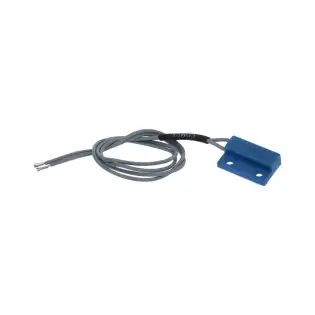
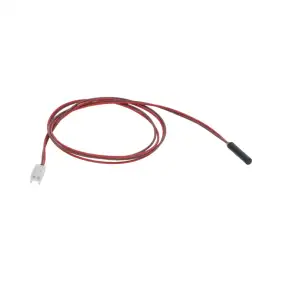
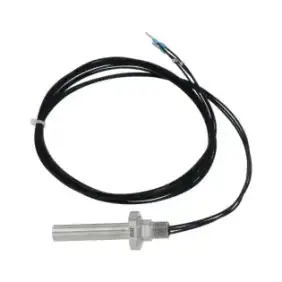
What is a Limit Switch?
A limit switch is an electromechanical device used to detect the position of a moving part within equipment. When the moving part makes contact with the switch, the circuit is either opened or closed, allowing the machine to perform a specific action. Limit switches are often used in industrial and commercial equipment to prevent machines from over-traveling or to monitor operational states.
What is a Reed Switch?
A reed switch is a type of magnetic switch that opens or closes when exposed to a magnetic field. It consists of two ferrous reeds housed in a sealed glass tube. When a magnet comes close, the reeds come together to close the circuit; when the magnet moves away, the reeds separate, opening the circuit. Reed switches are used for detecting the position of parts, controlling safety mechanisms, and monitoring appliance states.
Why Limit Switches and Reed Switches Are Used in HoReCa Equipment
1. Position Monitoring and Safety
Limit switches are widely used in HoReCa equipment to monitor the position of various moving parts, such as doors, trays, and heating elements. In refrigerators and freezers, limit switches ensure that doors remain properly closed, preventing energy loss and maintaining cooling efficiency. Similarly, espresso machines use limit switches to monitor the position of group heads and ensure that they are correctly aligned for brewing.
-
Importance: By accurately detecting the position of moving parts, limit switches help prevent damage to equipment and ensure smooth operation. They also improve safety by preventing doors or parts from moving beyond their intended limits, avoiding potential malfunctions or accidents.
2. Improved Efficiency and Automation
Both limit switches and reed switches are essential for automated control in HoReCa appliances. For example, dishwashers use limit switches to detect when the door is open or closed, activating or deactivating cycles automatically. Similarly, reed switches can monitor the presence or absence of parts, such as tray rollers in ovens or grinders in coffee machines, enabling automation of tasks without manual intervention.
3. Preventing Equipment Malfunctions
In appliances like fryers and ovens, limit switches ensure that critical safety mechanisms are activated when necessary. For instance, a limit switch can detect if a lid or door is securely closed before the equipment powers on, preventing potential accidents or operational issues.
4. Monitoring and Control with Reed Switches
Reed switches offer precise detection of the state of equipment in HoReCa appliances, particularly in detecting open/closed positions or the presence of key components. In coffee machines, reed switches are used to detect the position of the group head or water tank and ensure proper operation. They are also commonly used in fridges and freezers to detect door open/close states and maintain internal temperatures.
-
Importance: Reed switches offer reliability and simplicity in detecting the position or state of a part, contributing to smooth operation, energy savings, and safety.
Types of Limit Switches and Reed Switches in HoReCa Equipment
1. Mechanical Limit Switches
Mechanical limit switches are the most common type of limit switch used in HoReCa equipment. They are designed to physically detect the movement of parts and operate based on mechanical contact.
-
Function: These switches are typically used in ovens, dishwashers, and refrigerators to monitor door positions, tray movements, or other mechanical actions.
-
Importance: Their simple, reliable design makes them ideal for applications where physical contact and precise position detection are needed.
2. Proximity Limit Switches
Proximity limit switches use a non-contact method of detecting objects by sensing changes in magnetic fields, electric fields, or inductance. These switches are used in situations where physical contact may not be ideal, such as in espresso machines where delicate components must be monitored without direct contact.
-
Function: Proximity switches are used in coffee machines and refrigerators to detect the position of internal components, such as group heads or doors, without physical contact.
-
Importance: These switches offer durability and precision in environments where direct mechanical contact could cause wear or damage over time.
3. Magnetic Reed Switches
Magnetic reed switches are commonly used in HoReCa appliances to detect the open or closed state of doors or other moving parts. These switches are activated by magnets placed on or near the moving part, providing accurate position monitoring.
-
Function: Magnetic reed switches are used in dishwashers, refrigerators, and ovens to monitor door positions, ensure proper sealing, and activate cycles automatically.
-
Importance: These switches are reliable, simple to use, and provide an efficient way to monitor appliance states in real-time.
Applications of Limit Switches and Reed Switches in HoReCa Equipment
-
Espresso Machines: Limit switches monitor group head positions, while reed switches detect the state of water tanks or brewing mechanisms.
-
Dishwashers: Limit switches detect the opening and closing of doors, automating cycle activation and ensuring safe operation.
-
Refrigerators and Freezers: Reed switches monitor door status to ensure efficient cooling and energy savings.
-
Fryers and Ovens: Limit switches ensure safety features, such as door position or temperature regulation, are properly engaged before operation.
Conclusion
Limit switches and reed switches are integral to the precise control, safety, and efficiency of HoReCa equipment. From monitoring the position of doors and trays to automating operations and ensuring proper safety mechanisms are in place, these switches play a vital role in enhancing the performance of appliances in commercial kitchens. At Brooks-Parts, we offer a variety of high-quality limit switches and reed switches designed to meet the needs of your equipment. Proper maintenance and timely replacement of these switches are essential for keeping your appliances running smoothly, reliably, and safely.