List of products by brand RPM
RPM is an Italian manufacturer of electric motors used in professional equipment, including applications related to coffee and HoReCa machines. When a motor fails, performance drops immediately—so using the correct replacement motor helps restore reliable operation and reduces downtime in busy service environments.
RPM highlights long-standing experience in custom motor design and production in Italy, supporting manufacturers and service needs where stable performance and durability matter.
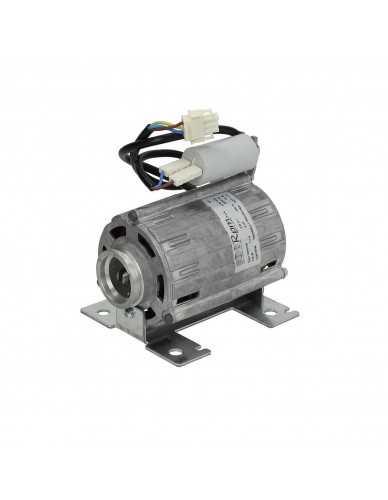
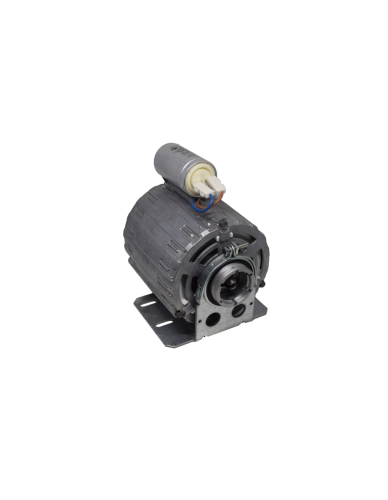
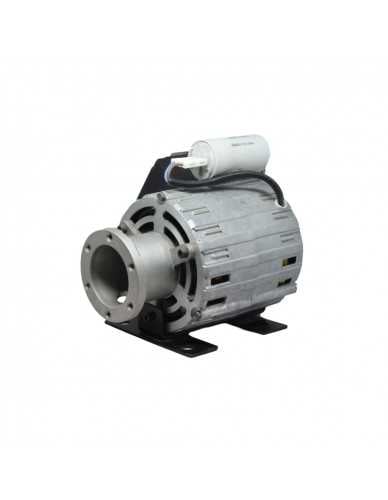
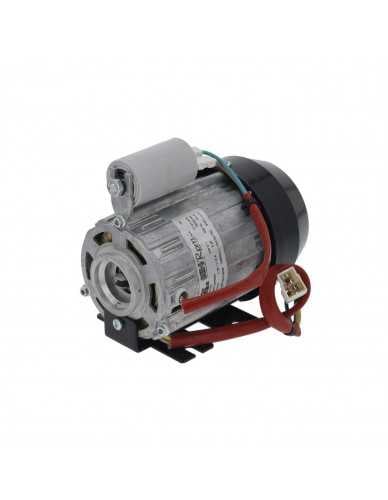
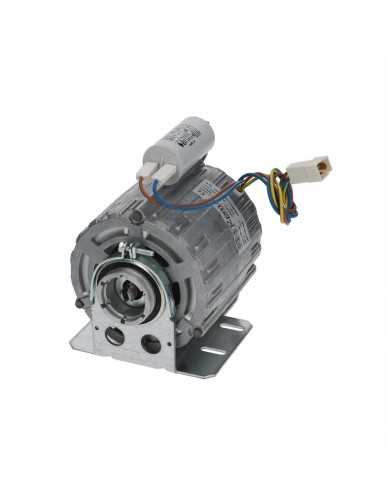
RPM clamp ring motor 150W 230V 50/60Hz
RPM pump motor 165W 230V 50/60Hz
RPM clamp ring motor 330W 220/240V 50/60Hz
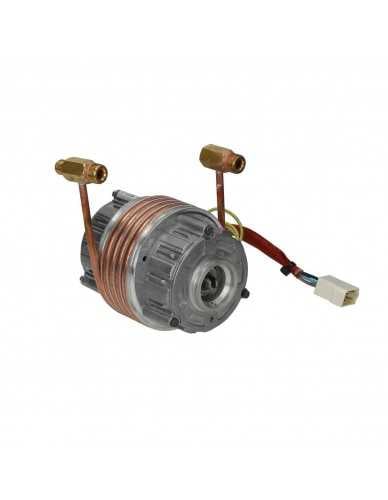
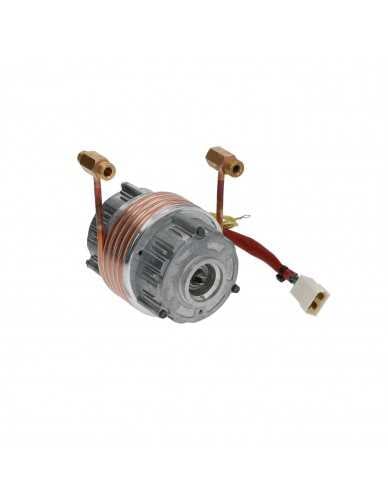
RPM clamp ring water cooled motor 310W 110/120V 50/60HZ
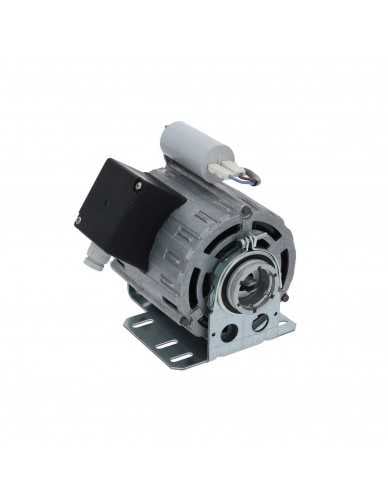
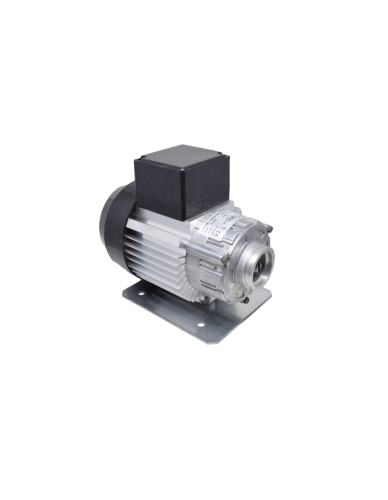
RPM screw motor with junction box 150W 230V
RPM clamp ring motor 150W 230V CE/UL Rancilio
RPM clamp ring motor 165W 230V 50Hz with junctionbox
RPM motor for clamp ring pump 165W 220/230V
Where RPM motors are used in coffee and HoReCa machines
In coffee and hospitality equipment, electric motors are typically used in systems such as:
-
pumps and water circuits (depending on machine design)
-
ventilation and airflow sections inside equipment
-
drive systems where constant duty cycles and stable torque are required
-
equipment modules where reliable start/stop behavior is essential during daily service
Because coffee and HoReCa machines often run many cycles per day, the motor must be matched correctly to avoid overheating, weak performance, or premature wear.
RPM motor technologies (relevant for professional equipment)
RPM produces motors in different technologies depending on the application needs, including:
-
Asynchronous motors for dependable operation in continuous-use environments
-
Brushless motors for efficiency and controlled performance
-
configurations that can be designed around the required control method (application dependent)
What to check before choosing an RPM motor
To select the correct motor for a coffee or HoReCa machine, it’s important to match:
-
motor type and mounting style
-
voltage and electrical specifications
-
speed / RPM requirements and torque behavior
-
connector and wiring setup
-
compatibility with the machine’s control method (where applicable)