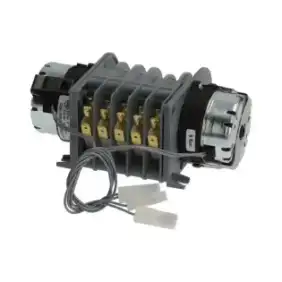
What is a Timer Switch?
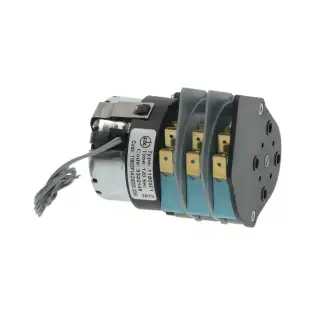
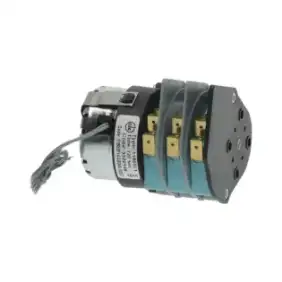
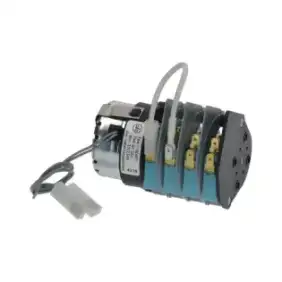
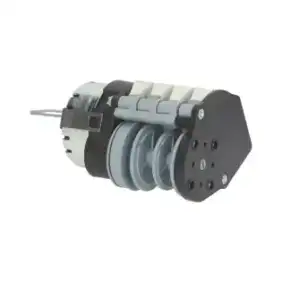
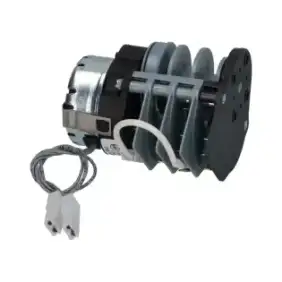
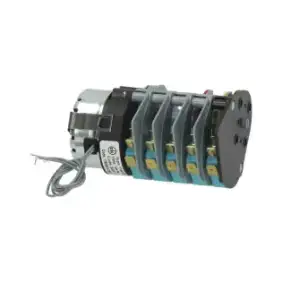
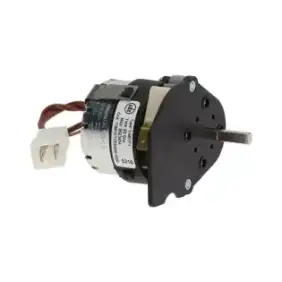
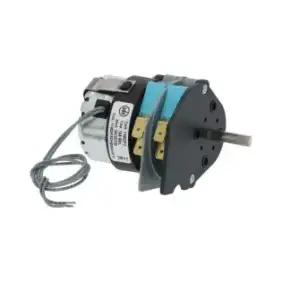
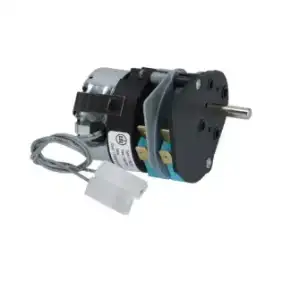
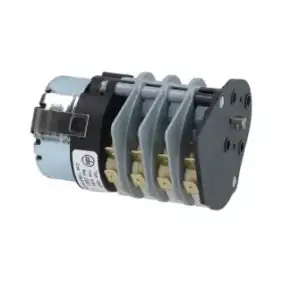
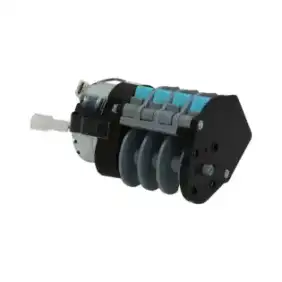
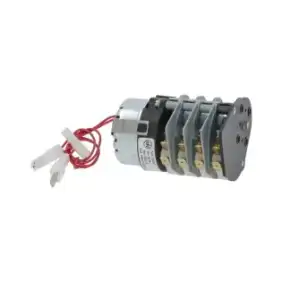
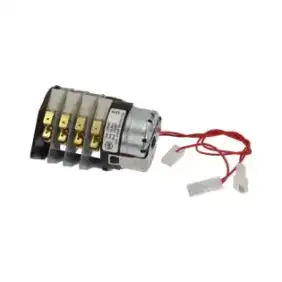
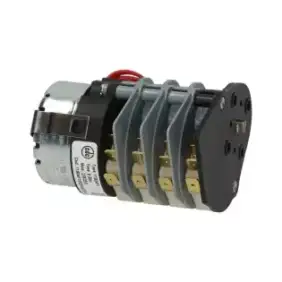
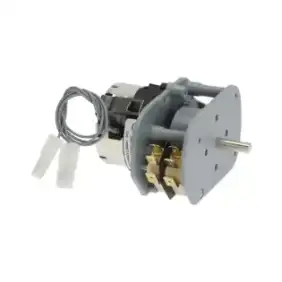
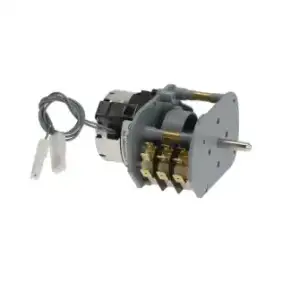
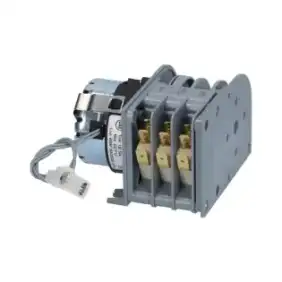
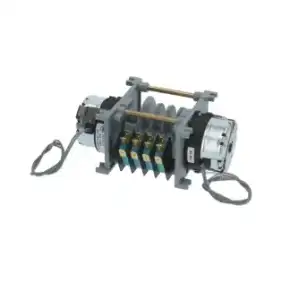
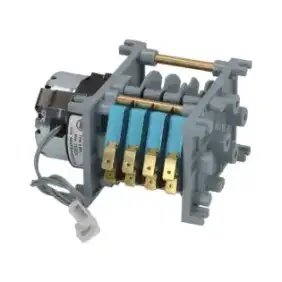
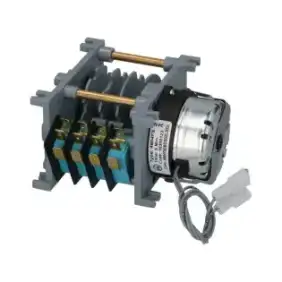
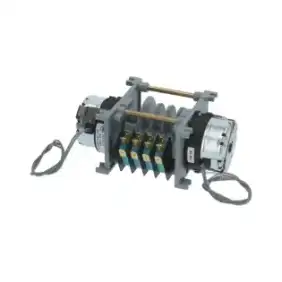
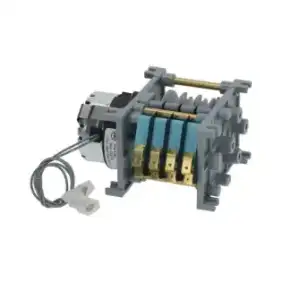
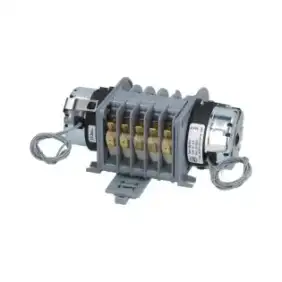
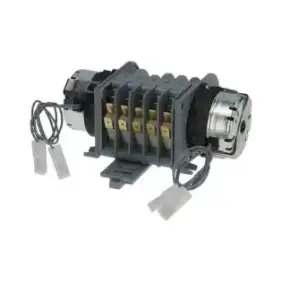
A timer switch is an electrical device that automatically controls the on/off operation of a piece of equipment based on a pre-set time. It allows users to program specific start times, durations, or delays for the operation of an appliance. Timer switches can be mechanical, digital, or programmable, offering varying degrees of customization and precision depending on the application. These switches are crucial for appliances that require a timed cycle or operation, such as cooking, cleaning, or brewing processes in the HoReCa sector.
Why Timer Switches Are Used in HoReCa Equipment
1. Automation of Processes
Timer switches allow for the automation of certain processes in HoReCa appliances, reducing the need for constant monitoring. For example, in dishwashers, a timer switch can control the washing and drying cycles, while in ovens, it can ensure that food is cooked for the correct duration. In espresso machines, a timer switch can be used to control the brewing time, ensuring consistency in each shot.
2. Energy Efficiency
One of the key benefits of timer switches is their ability to improve energy efficiency. By automatically shutting off appliances once the set time has passed, timer switches help prevent unnecessary energy consumption. This is especially important in high-demand equipment like fryers, ovens, and refrigerators, where excessive run times can lead to wasted energy.
3. Consistent Results
Timer switches help ensure consistent results by controlling the duration of each cycle. Whether it’s the brewing time in coffee machines or the cooking time in ovens, these switches allow the equipment to perform specific tasks for the right amount of time, contributing to the quality and consistency of food and beverages.
4. Enhanced Safety
Timer switches can enhance safety by preventing equipment from running for too long, which can lead to overheating or potential hazards. For example, in fryers or grills, a timer switch ensures that the appliance automatically shuts off once the preset cooking time has been reached, reducing the risk of fires or overheating.
Types of Timer Switches Used in HoReCa Equipment
1. Mechanical Timer Switches
Mechanical timer switches are the traditional type of timer switches that use a rotating dial to set the time. These switches are simple to operate and are often found in older or more basic equipment, such as oven timers or coffee machines.
-
Function: Mechanical timer switches are often used in ovens to set cooking times and in coffee machines to time the brewing process.
-
Importance: These timers are durable, cost-effective, and reliable for basic timing functions, making them ideal for equipment that does not require advanced programming features.
2. Digital Timer Switches
Digital timer switches offer more advanced features and greater precision compared to mechanical timers. These timers typically feature an electronic display and allow for more flexible programming, such as setting multiple on/off times or delays.
-
Function: Digital timer switches are used in espresso machines, dishwashers, and ovens to control various cycles, such as brewing, washing, or cooking times.
-
Importance: The precision and programming flexibility of digital timers make them ideal for high-end equipment and complex processes that require detailed timing adjustments.
3. Programmable Timer Switches
Programmable timer switches are the most advanced type, offering customizable settings for multiple cycles, delays, and on/off periods. These switches can be programmed to run specific tasks at different times of the day, making them ideal for appliances that operate on varying schedules, such as refrigerators, fryers, and grills.
-
Function: Programmable timer switches are commonly used in commercial ovens and refrigerators, where multiple timed cycles or specific scheduling is required.
-
Importance: Programmable timers offer the highest level of flexibility, allowing businesses to schedule operations around peak hours, saving energy and ensuring the equipment is always operating at optimal times.
4. Countdown Timer Switches
Countdown timer switches are commonly used in equipment that requires a set time limit for a particular task, such as fryers, ovens, or grills. These switches count down from a preset time and automatically turn the equipment off once the time has elapsed.
-
Function: Countdown timers are used to set a specific cooking or heating duration, after which the appliance automatically powers down to prevent overuse or overheating.
-
Importance: These timers are ideal for processes that require precise timing, such as cooking or frying, where a specific duration is critical to the quality of the food.
Applications of Timer Switches in HoReCa Equipment
-
Espresso Machines: Timer switches manage the brewing time, ensuring that each shot of espresso is brewed for the correct duration.
-
Ovens and Grills: Timer switches control cooking times to ensure that food is cooked evenly and to the desired level.
-
Dishwashers: Timer switches control the washing and drying cycles, ensuring efficient and consistent cleaning of dishware.
-
Fryers: Timer switches regulate frying time, preventing overcooking and ensuring food is fried to the perfect texture and color.
-
Refrigerators: Timer switches can be used to manage defrost cycles or compressor operation to optimize cooling efficiency.
Conclusion
Timer switches are essential for improving the efficiency, safety, and consistency of HoReCa equipment. Whether in espresso machines, ovens, fryers, or dishwashers, timer switches allow operators to automate processes, reduce energy consumption, and maintain high-quality results. At Brooks-Parts, we offer a wide range of reliable timer switches for various HoReCa applications, ensuring that your equipment operates efficiently and safely. With mechanical, digital, and programmable options available, we provide the parts you need to optimize your operations and enhance the performance of your equipment.