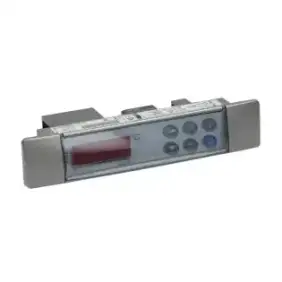
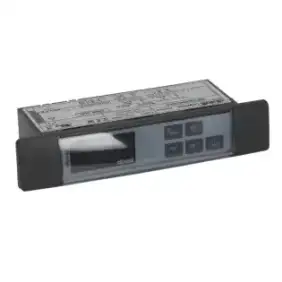
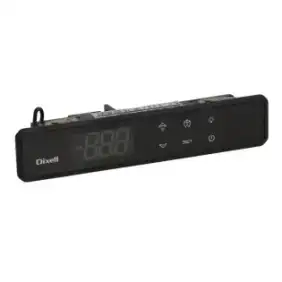
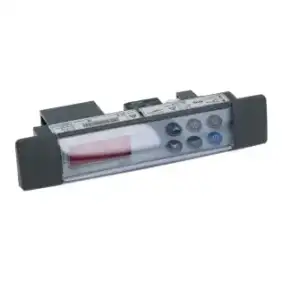
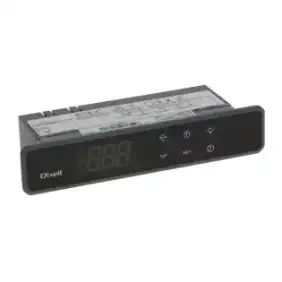
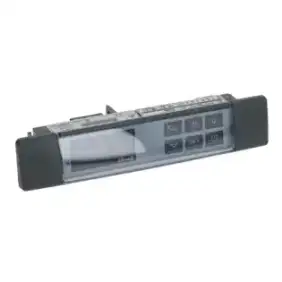
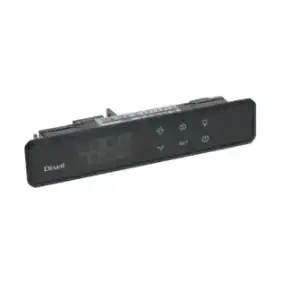
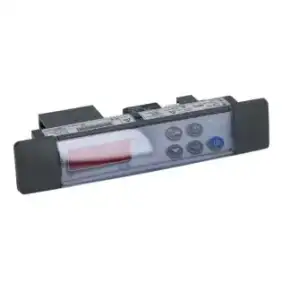
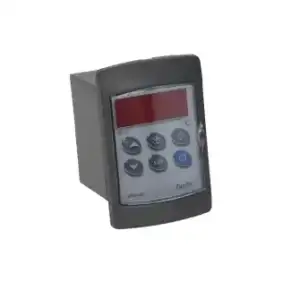
What is an Electronic Temperature Controller?
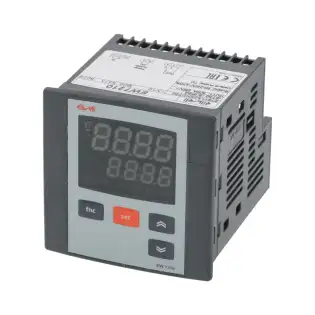
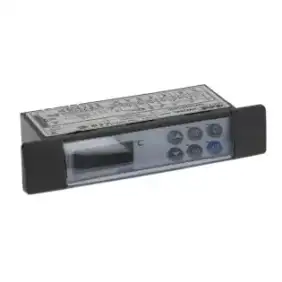
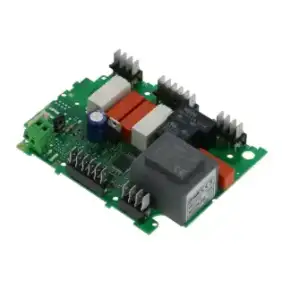
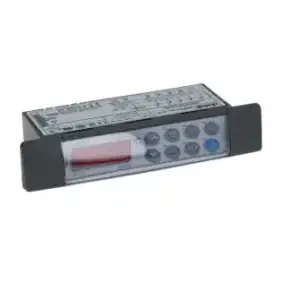
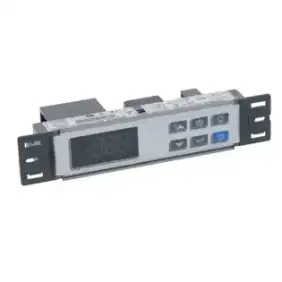
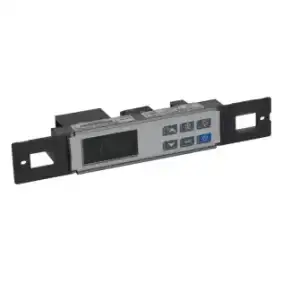
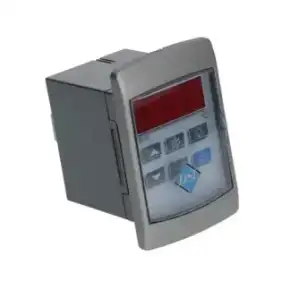
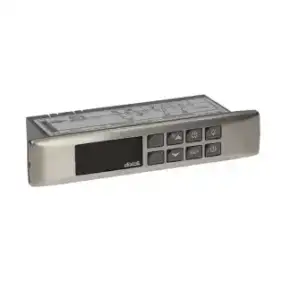
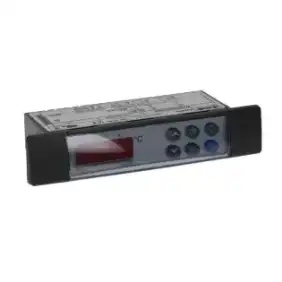
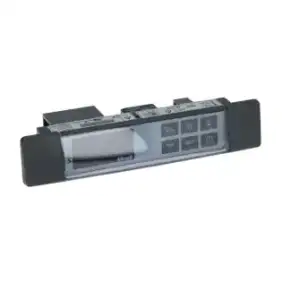
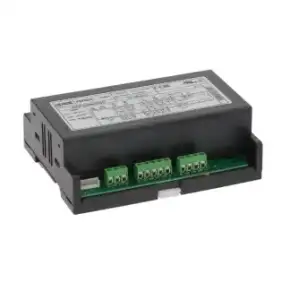
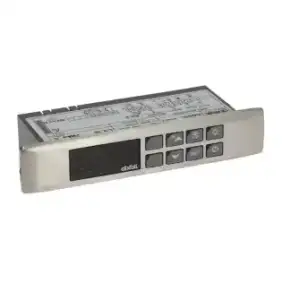
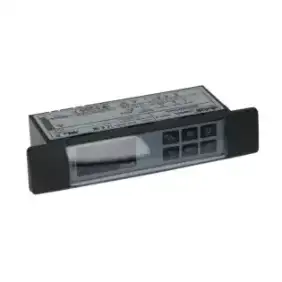
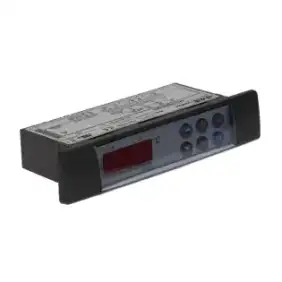
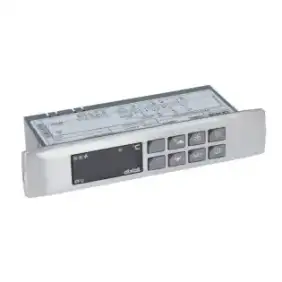
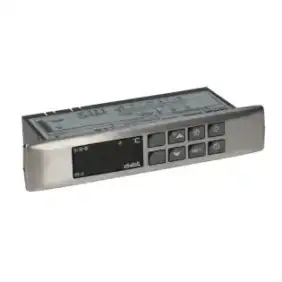
An electronic temperature controller is a device designed to monitor and regulate the temperature of appliances by adjusting heating or cooling elements based on real-time temperature readings. These controllers typically consist of sensors, microprocessors, and digital displays that allow users to easily set, monitor, and adjust temperature settings. Compared to mechanical thermostats, electronic controllers offer greater accuracy, efficiency, and convenience in HoReCa appliances.
Why Electronic Temperature Controllers Are Used in HoReCa Equipment
1. Precise Temperature Control
Maintaining the correct temperature is crucial for the success of many HoReCa appliances. For example, in espresso machines, the water temperature must be tightly controlled to ensure the perfect espresso extraction, while in ovens, consistent temperature control is essential for even cooking.
-
Importance: Electronic temperature controllers offer precise, consistent temperature regulation, allowing equipment to operate at optimal levels, preventing issues such as undercooking, overheating, or poor-quality extraction.
2. Energy Efficiency
One of the key benefits of electronic temperature controllers is their ability to optimize energy consumption. By accurately regulating temperature, these controllers help appliances run more efficiently, minimizing energy waste and reducing electricity costs.
-
Importance: In fryers, ovens, and refrigerators, the ability to regulate heating and cooling cycles efficiently is crucial for reducing energy consumption and operational costs.
3. Food Safety and Compliance
In commercial kitchens, precise temperature control is necessary for food safety and compliance with health regulations. For instance, in dishwashers, electronic controllers ensure that water reaches the required temperature for sanitization, while in refrigerators, they help maintain temperatures low enough to prevent food spoilage.
4. User Convenience and Automation
Modern electronic controllers feature user-friendly digital displays, touch controls, and programmable settings, making it easier for operators to adjust and monitor temperatures. Some models also include features such as alarms or timers, which alert users if temperatures fall outside the desired range, allowing for automated operation.
-
Importance: With these advanced features, electronic temperature controllers improve the convenience and automation of equipment, allowing staff to focus on other tasks while the machine operates reliably and efficiently.
Types of Electronic Temperature Controllers Used in HoReCa Equipment
1. Digital Temperature Controllers
Digital temperature controllers are the most commonly used type in HoReCa equipment due to their accuracy and ease of use. These controllers feature a digital display, which shows the exact temperature, and are capable of adjusting settings with great precision.
-
Function: Digital controllers are used in appliances like espresso machines, ovens, and fryers to maintain consistent and precise temperature regulation.
-
Importance: Digital controllers provide precise control, making them ideal for equipment that requires tight temperature regulation to ensure optimal results.
2. PID (Proportional-Integral-Derivative) Controllers
PID controllers use a complex algorithm to provide very accurate temperature regulation, adjusting the heating or cooling system based on real-time conditions. These controllers are ideal for environments that require the temperature to remain stable with minimal fluctuation.
-
Function: Commonly found in espresso machines, ovens, and refrigerators, PID controllers provide continuous and stable temperature regulation, making them suitable for high-precision applications.
-
Importance: These controllers offer superior temperature control and are especially beneficial for appliances that demand high consistency, such as espresso machines, where precise water temperature is essential.
3. Programmable Temperature Controllers
Programmable temperature controllers allow users to set multiple temperature profiles or schedules for different tasks. These controllers are typically used in ovens, fryers, and refrigerators, where different processes require varying temperature settings.
-
Function: These controllers enable users to program temperature cycles for different cooking or cooling tasks, improving efficiency and reducing the need for manual adjustments.
-
Importance: Programmable controllers provide greater flexibility, ensuring that appliances can be tailored to meet specific operational needs, resulting in improved workflow and consistency.
4. Hybrid Temperature Controllers
Hybrid controllers combine the capabilities of digital and PID controllers, offering both precision and versatility for equipment that requires advanced control.
-
Function: These controllers are used in high-end ovens, espresso machines, and cooling systems where both precision and flexibility are needed to meet various operational requirements.
-
Importance: Hybrid controllers are perfect for equipment that needs to maintain precise control while also offering customizable settings for different tasks, improving both performance and user control.
Top Brands of Electronic Temperature Controllers
At Brooks-Parts, we offer electronic temperature controllers from trusted brands, including:
-
EGO: Known for its reliable and durable temperature controllers used in ovens, fryers, and coffee machines.
-
Sauter: Specializing in programmable controllers, Sauter offers precision control for ovens and refrigeration systems.
-
Honeywell: A leader in temperature control solutions, Honeywell controllers are commonly used in refrigerators, fryers, and ovens for their high accuracy and reliability.
-
AKO: Renowned for its high-performance temperature controllers, AKO provides solutions for refrigerators, fryers, and dishwashers, offering advanced digital control features.
-
Dixell: Known for its range of versatile and reliable controllers, Dixell offers temperature control solutions for commercial refrigeration systems and freezers, ensuring efficient and precise temperature regulation.
Applications of Electronic Temperature Controllers in HoReCa Equipment
-
Espresso Machines: PID controllers ensure water reaches the perfect temperature for espresso extraction, resulting in consistent coffee quality.
-
Ovens and Grills: Digital controllers maintain the cooking temperature for even cooking and optimal results.
-
Refrigerators and Freezers: Programmable controllers regulate cooling cycles to ensure consistent storage temperatures, preserving food quality and safety.
-
Fryers: PID controllers regulate oil temperature for even frying and energy efficiency.
Conclusion
Electronic temperature controllers are essential for ensuring precise, efficient, and safe operation of HoReCa equipment. From regulating water temperatures in espresso machines to managing the cooking and cooling cycles in ovens and refrigerators, these controllers play a crucial role in maintaining optimal performance and food safety. At Brooks-Parts, we offer a wide selection of electronic temperature controllers from trusted brands like EGO, Sauter, Honeywell, AKO, and Dixell, ensuring your equipment operates smoothly and efficiently. Regular maintenance and timely replacement of these controllers will help keep your equipment in peak condition, improving performance and reducing operational costs.