How to find the correct Faema E61 spare part
Start with the information on the machine or removed component. A Faema, OEM or component reference is normally the strongest identification point. If the reference is not available, establish the exact E61 machine version, number of groups and component system before comparing dimensions or other technical specifications.
A practical selection order is Faema or OEM reference → vintage E61, E61 Legend or E61 Jubile → group count and machine version → component system → component type and position → technical interface and specifications → component manufacturer where relevant → OEM/original or compatible → product.
The description “E61” alone does not confirm compatibility.
Vintage Faema E61, E61 Legend or E61 Jubile?
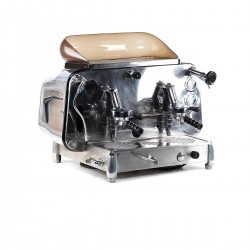
The original Faema E61 and the later E61 Legend and E61 Jubile belong to the same machine family but are not identical machines. Changes in brewing-group operation, boiler configuration, valves, electrical components and other systems can affect part compatibility.
If you have a modern machine, use the dedicated Faema E61 Legend parts or Faema E61 Jubile parts route instead of assuming that a vintage E61 component fits.
Where a product is listed for more than one E61 generation, verify the stated Faema reference and complete mechanical or electrical interface.
Original Faema E61 versus E61-style brewing groups
The Faema E61 brewing group became the basis for many later E61-style groups used by other espresso-machine manufacturers. Similar appearance or shared design principles do not make every internal component interchangeable.
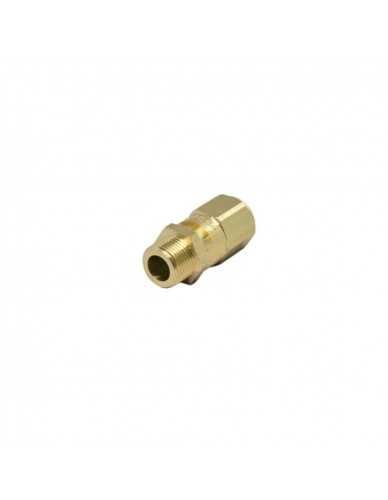
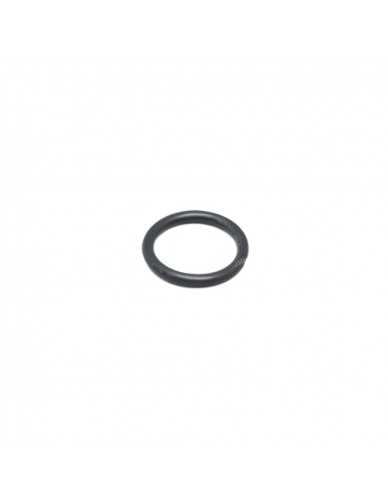
Valves, springs, jets, diffusers, gaskets, cam components, fittings and other group parts can differ in thread, diameter, length, spring geometry, valve-seat design or mounting interface.
A component listed for another E61-style machine should therefore not automatically be used on the original Faema E61. Verify the exact Faema application or reference first.
Faema E61 brewing-group parts
For brewing-group repairs, identify the exact function and position of the component before comparing dimensions. The E61 group contains several valves, springs, gaskets, fittings and moving components that can look similar while performing different functions.
Depending on the part, relevant specifications can include thread size, outside and inside diameter, overall length, valve geometry, spring diameter and length, gasket dimensions, material and mounting position.
For more general group-component categories, browse Brewing Group Parts, but continue to verify that the selected component is explicitly suitable for the original Faema E61.
Group gaskets, seals and springs
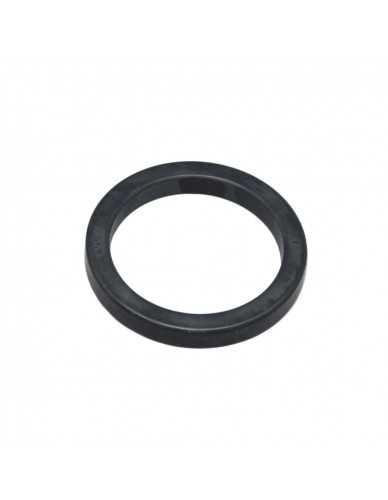
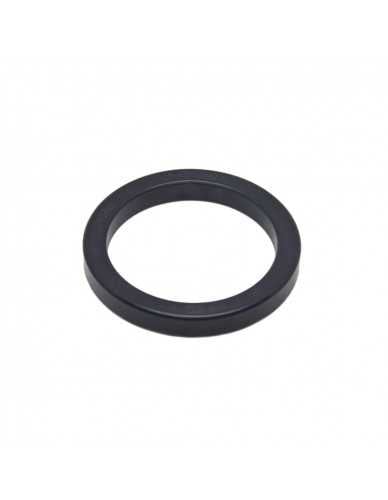
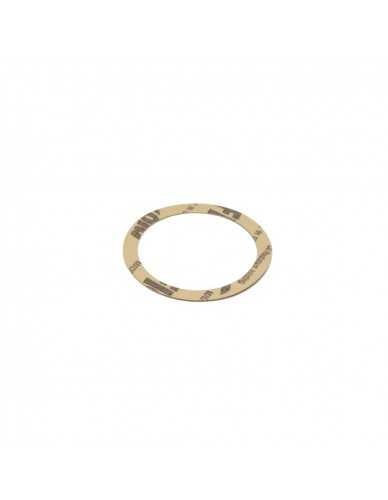
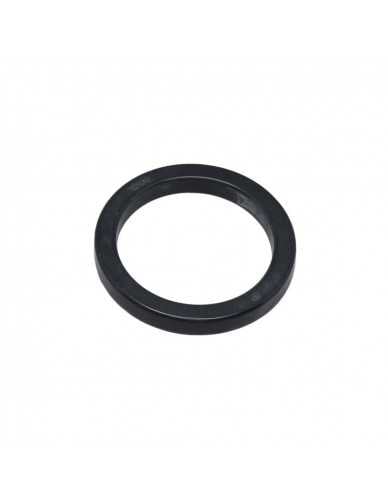
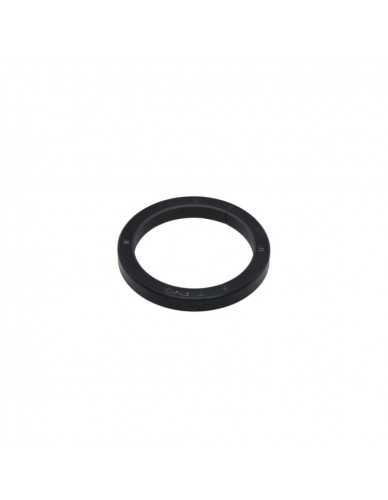
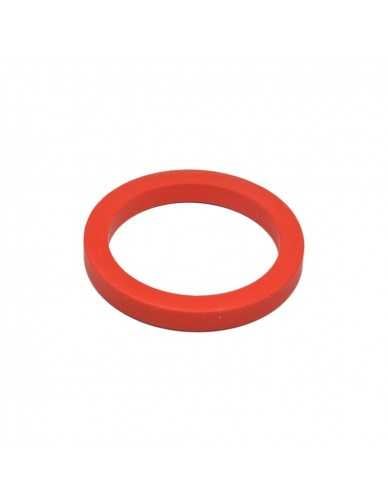
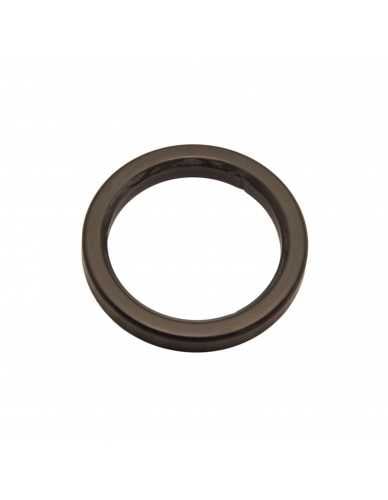
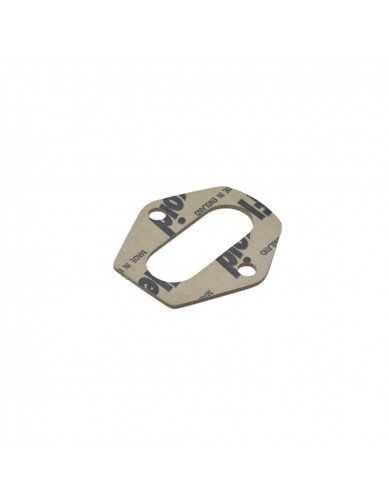
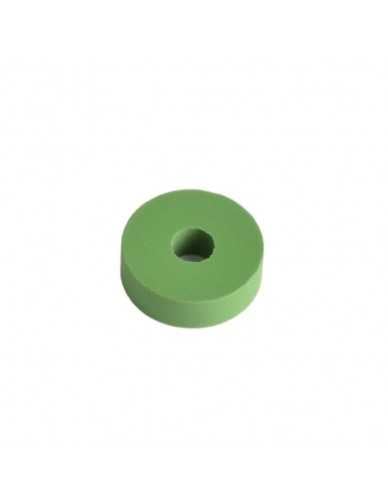
Do not select a Faema E61 gasket from outside diameter alone. Group and portafilter gaskets with similar diameters can differ in inside diameter, thickness, material and intended group application. Even small differences in thickness can affect how the portafilter locks into the group.
Shims and spacer gaskets should also be treated as separate components rather than as substitutes for a gasket with a different specification.
For springs, identify the exact valve position and function before comparing outside diameter, wire diameter, free length and spring geometry. A spring used elsewhere in an E61-style group is not automatically suitable for the same position in a vintage Faema E61.
Portafilters, filter baskets and shower screens
For portafilters, verify the original Faema E61 group application before comparing lug geometry, lug thickness and position, basket diameter, spout configuration and handle design.
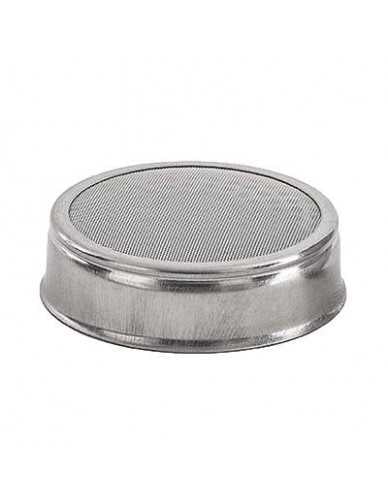
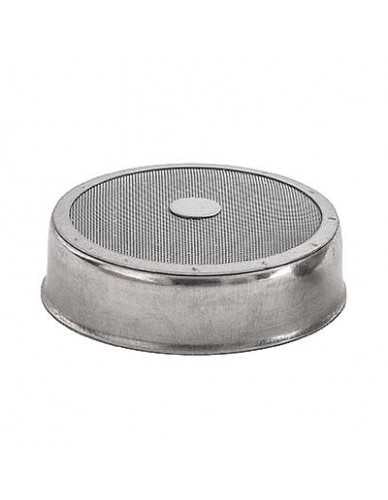
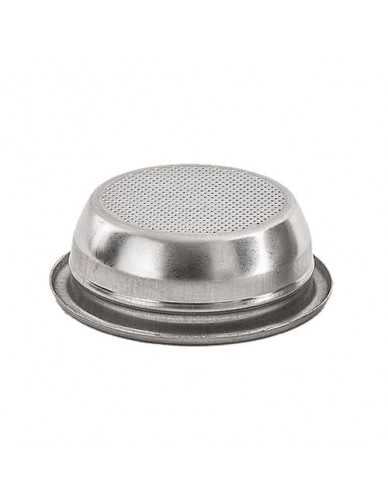
Filter baskets and shower screens can also be supplied by specialist component manufacturers and may be suitable for several machine brands. In these cases, distinguish the actual component manufacturer from the Faema machine application.
A standard-looking 58 mm espresso component should not automatically be treated as a universal Faema E61 replacement.
Boiler versions and boiler parts
Vintage Faema E61 machines were produced in different group counts and boiler configurations. When selecting a boiler, flange, gasket, tube or other boiler component, verify the exact machine version, group count and existing boiler construction.
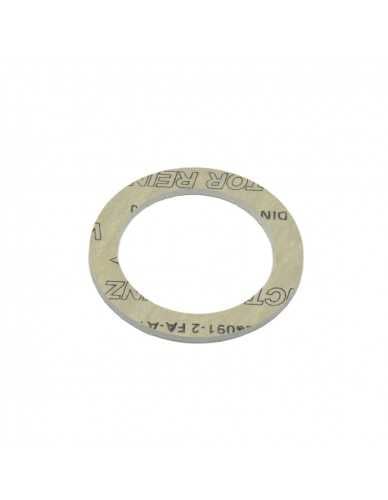
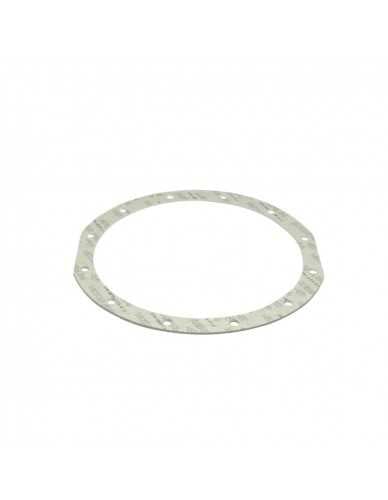
For boiler gaskets and flanges, compare outside diameter, inside diameter, thickness, number and position of bolt holes and flange pattern. Matching one or two dimensions alone does not confirm that the component fits the existing boiler.
A boiler component intended for a vintage E61 should not automatically be used for an E61 Legend or E61 Jubile.
Heating elements by group count and electrical specification
Heating elements can vary between 1-, 2-, 3- and 4-group Faema E61 machines and between different boiler versions. Start with the Faema reference, group count and existing boiler before comparing electrical data.
Relevant specifications include voltage, wattage, immersed length, flange or fitting type, element shape, terminal configuration and mounting dimensions.
The same voltage or wattage does not confirm compatibility. Two heating elements with similar electrical ratings can have different physical interfaces or be intended for different E61 configurations.
Steam and water-valve parts
For steam and water valves, first determine whether you are replacing a complete valve assembly or an individual internal component. Compatibility can differ between complete assemblies and separate shafts, seats, springs, gaskets or valve bodies.
Verify the Faema reference, exact E61 version, thread, inlet and outlet configuration, valve-seat geometry, shaft dimensions and mounting interface where relevant.
Do not assume that all internal valve components are interchangeable between the vintage E61, E61 Legend and E61 Jubile simply because a complete valve assembly is listed for multiple machine versions.
Pumps, pressure and safety components
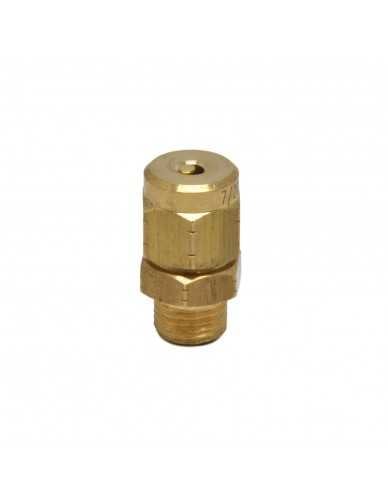
The Faema E61 assortment can also contain pumps, pump components, pressure switches, safety valves and other hydraulic or pressure-control parts. These components can be made by specialist manufacturers rather than by Faema itself.
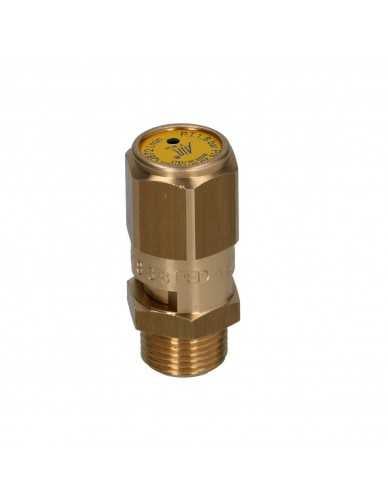
For pumps, verify pump manufacturer and reference, connection type, flow or displacement specification, shaft or motor interface and stated machine application. For pressure and safety components, compare pressure range or setting together with thread and connection type.
A component manufacturer's brand should not be interpreted as the manufacturer of the Faema E61 machine.
Faema and specialist component manufacturers
The product assortment can contain both Faema machine parts and components made by specialist manufacturers such as pump, solenoid-valve, filter-basket or motor suppliers. It can also contain generic components used across several espresso-machine brands.
Where this information is available, distinguish machine manufacturer → exact Faema E61 version → component manufacturer → component or OEM reference → technical interface.
For the broader Faema range, browse Faema espresso machine parts.
OEM/original and compatible Faema E61 parts
The assortment can contain both OEM/original components and Compatible (non-original) replacement parts. Machine compatibility, OEM reference and actual product origin should be treated as separate information.
A compatible replacement should not be interpreted as an original Faema-manufactured component simply because Faema or a Faema part number appears in the product title or compatibility information.
For either origin, verify reference → exact E61 machine version → component system and position → technical interface → origin before ordering.
Before ordering a Faema E61 spare part
Verify the available Faema or OEM reference, exact E61 version, number of groups, machine or boiler configuration where relevant, component type, component position and the technical specifications that determine its interface.
Do not use “E61” as the only compatibility criterion. A component for the original Faema E61, a modern Faema E61 Legend or Jubile, or another manufacturer's E61-style brewing group can look similar while using a different mechanical or electrical interface.
For other Faema models, browse Faema Spare Parts. For parts across other professional espresso-machine brands, return to Espresso Machine Parts.