
Gaggia Classic espresso machine parts
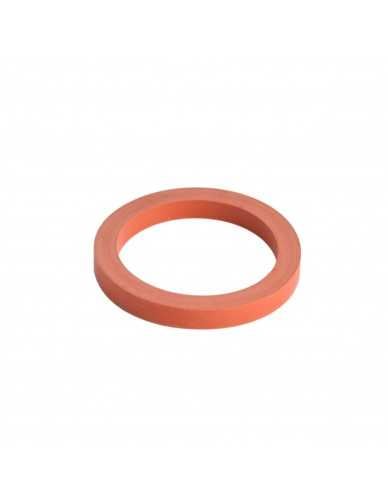
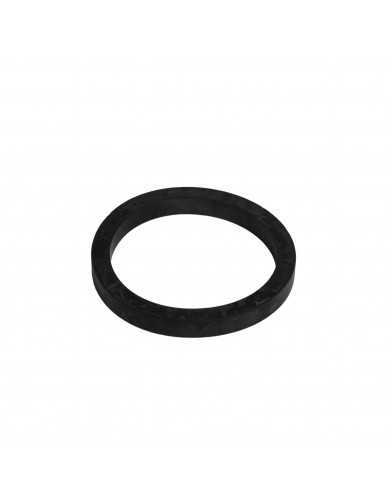
Gaggia Baby / Classic portafilter gasket 72x57x8.5 original
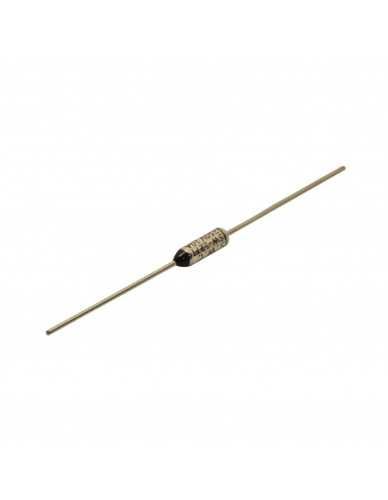
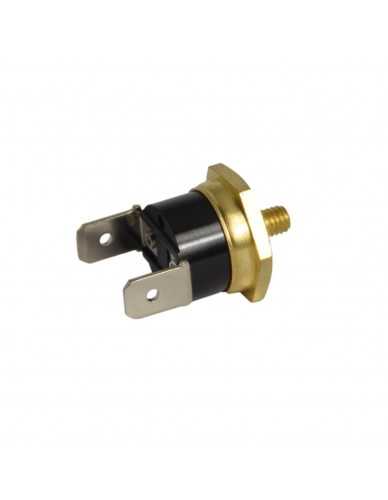
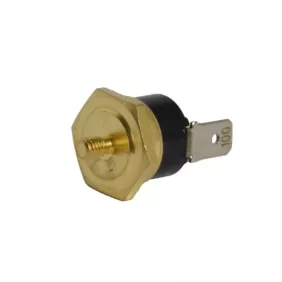
Contact thermostat 107°C with m4 thread
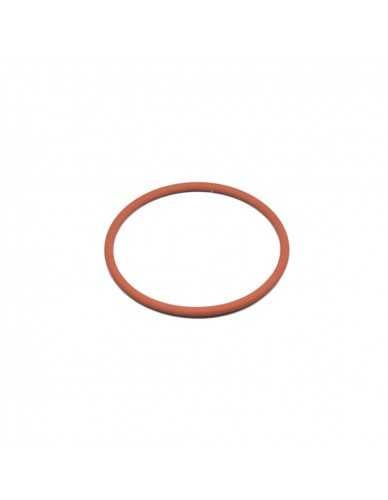
Gaggia silicone o ring 3,53x63,5mm
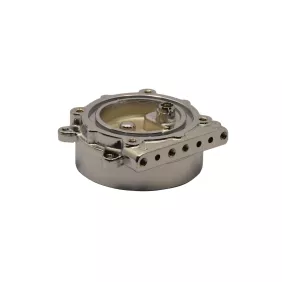
- Out-of-Stock
Gaggia Baby and Classic brewing group original
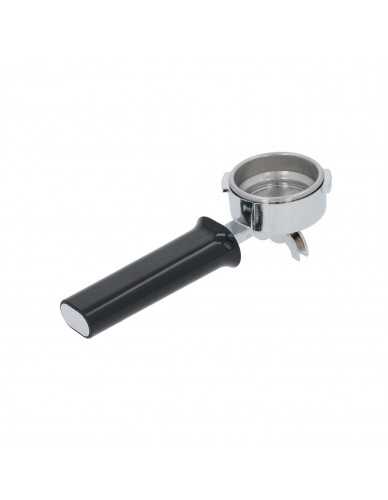
Gaggia Baby / Classic portafilter 2 cups
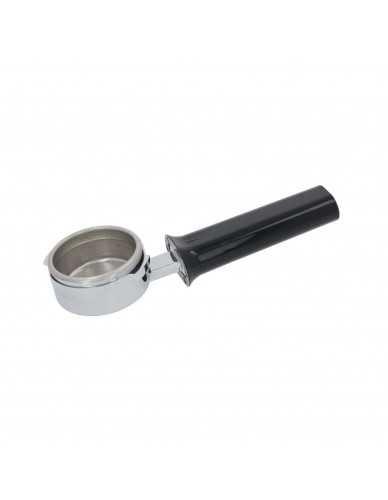
Gaggia Baby and Classic bottomless portafilter
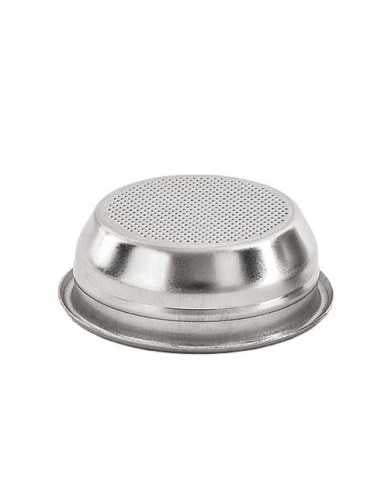
Gaggia filterbasket 2 coffee 14gr
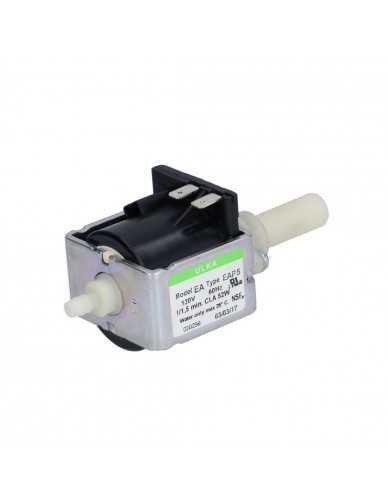
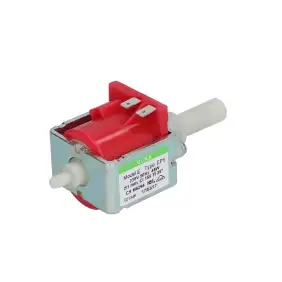
Ulka vibration pump EAP5 120V
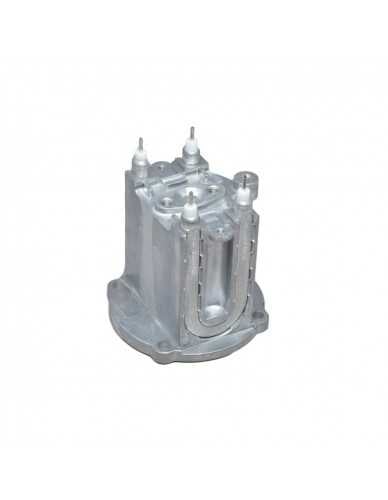
Gaggia Baby/Classic boiler

Gaggia automatic contact thermostat 145°C m4
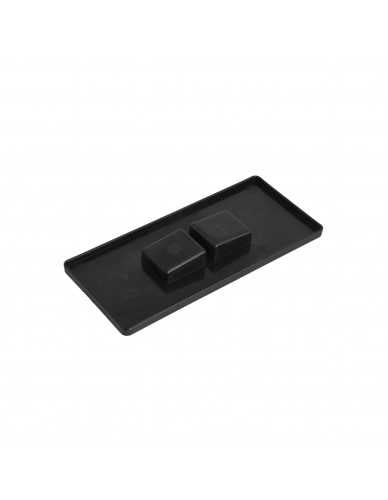
Gaggia Classic water tank lid original
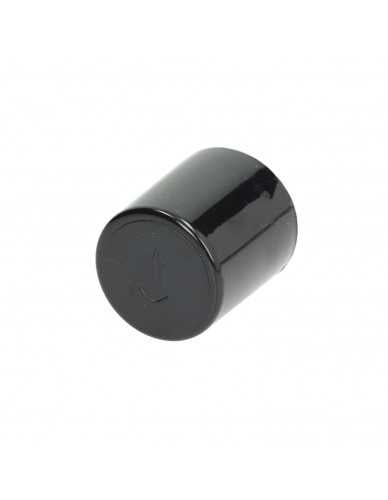
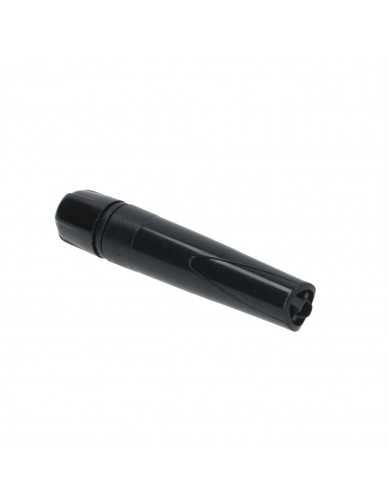
Gaggia Baby / Classic filterbasket 2 cup 14gr
Which Gaggia Classic do you have?
The name Gaggia Classic has been used for different generations of domestic espresso machines. Although these machines share the same general concept, individual components can change between production versions.
Depending on the machine, differences can include:
- boiler material and construction;
- brewing-group components;
- steam wand and steam-valve design;
- switches and electrical wiring;
- thermostats and thermal protection;
- solenoid-valve configuration;
- portafilter and group components;
- machine voltage and heating specification.
For this reason, “Gaggia Classic” alone is not always enough information to select a replacement component.
Older Gaggia Classic models
Earlier Gaggia Classic machines use a compact domestic brewing system with a water reservoir, vibration pump and thermostatically controlled boiler. Various components from these generations are also used on selected Gaggia Baby and New Baby machines.
Parts in this category for these machines include original and compatible group components, portafilters, gaskets, thermostats, boiler parts, pumps, steam-valve components and water-tank parts.
When replacing an older component, use the original Gaggia reference where possible. Production changes mean that a part used on one Classic generation is not automatically suitable for every later version.
Gaggia Classic Pro and Classic Evo parts
Later Classic generations retained the familiar compact layout while changes were made to components such as the controls, steam system and other internal parts.
When ordering parts for a Classic Pro or Classic Evo, do not select a component only because it was used on an earlier Gaggia Classic. Check the exact product code, voltage and part reference.
This is particularly important for:
- boiler and heating parts;
- thermostats;
- steam-valve and steam-wand components;
- switches and electrical parts;
- brewing-group components.
Gaggia Classic E24 parts
The Classic E24 should be treated as a separate technical generation when selecting spare parts. Its boiler and brewing-group construction differ from older Classic versions, so older boiler, heating and group components should not be assumed to fit.
For a Classic E24, check the complete product code and voltage shown on the machine before ordering. Use a part only when the product page explicitly lists the E24 or the corresponding Gaggia reference.
The same caution applies to newer Classic-family machines: similar appearance does not prove that internal components are interchangeable.
Gaggia Classic brewing-group gaskets
A worn portafilter gasket is one of the common service items on a Gaggia Classic. Typical symptoms include water escaping around the portafilter during brewing or the portafilter locking noticeably farther to the right than before.
Before replacing the gasket, also check:
- the condition of the portafilter locking ears;
- the filter basket;
- coffee residue around the gasket seat;
- the condition of the shower-screen holder;
- whether the installed gasket has the correct dimensions.
This category contains Gaggia-specific domestic group gaskets. For additional sizes, browse our espresso machine group gaskets.
Shower screens and group water distribution
The shower screen distributes water across the coffee bed. Coffee oils and fine particles can gradually restrict the openings and affect water distribution.
During group maintenance, inspect the shower screen, its holder or diffuser and the area above the screen. Replace damaged or heavily contaminated components when cleaning no longer restores them.
Browse our general range of espresso machine shower screens.
Gaggia Classic portafilters
Gaggia domestic machines use their own portafilter locking geometry. When replacing a Classic portafilter, check more than the basket diameter.
Compare:
- the machine generation;
- the number and orientation of the locking ears;
- the thickness of the ears;
- the portafilter locking position;
- the filter-basket diameter;
- the original Gaggia reference where available.
This category contains standard and bottomless portafilter options for compatible domestic Gaggia machines. A portafilter intended for a commercial Gaggia espresso machine is not automatically suitable for a Gaggia Classic.
For additional options, browse our espresso machine portafilters and filter baskets.
Vibration pumps for the Gaggia Classic
Gaggia Classic machines use a vibration pump to move water from the reservoir through the hydraulic circuit and brewing group. Replacement pumps are available in different electrical versions, so always check the machine voltage and pump specification.
A machine with low or no brewing pressure does not automatically have a defective pump. Also inspect:
- the water reservoir and inlet hose;
- whether the pump is correctly primed;
- restrictions caused by scale or debris;
- the solenoid valve and group water path;
- electrical power to the pump;
- the condition of the pump connections.
When replacing the pump, compare voltage, frequency, inlet and outlet connections and the original specification.
Browse our general range of espresso machine pumps.
Gaggia Classic boilers and heating parts
Boiler compatibility is one of the most important generation-specific checks on a Gaggia Classic.
Older Classic and related domestic Gaggia machines can use boiler assemblies that are very different from those fitted to later Classic generations. Do not order a boiler simply because the product title contains “Gaggia Classic”.
Check:
- the complete machine version;
- the Gaggia part number;
- the boiler material and shape;
- the electrical specification;
- the heating configuration;
- the thermostat mounting points;
- the connection to the brewing group.
The Classic E24 uses a different boiler construction from legacy aluminium-boiler Classic machines. Parts for these generations should therefore be kept technically separate.
For general heating components, browse espresso machine heating elements.
Thermostats and thermal protection
The Gaggia Classic uses temperature-control and thermal-protection components that can differ according to model and function.
Before replacing a thermostat or thermal fuse, check:
- its temperature rating;
- whether it controls coffee heating, steam heating or provides thermal protection;
- the mounting thread or attachment;
- the electrical terminals;
- the original Gaggia reference.
A thermostat with the same physical size but a different switching temperature is not an equivalent replacement.
Solenoid valves
Selected Gaggia Classic generations use a solenoid valve in the brewing circuit. The valve helps control the water path and, depending on the machine design, releases pressure from the brewing group after extraction.
If the machine shows reduced flow or does not release pressure correctly, the complete valve system should be inspected before replacing the coil.
Possible causes include:
- scale or coffee residue;
- a blocked valve core;
- a blocked water passage;
- a damaged seal;
- an electrical fault;
- a defective coil.
Browse our espresso machine solenoid valves.
Steam valve and steam wand parts
The steam system differs between Gaggia Classic generations. Older machines and later Classic versions can use different steam tubes, valve components and controls.
A steam valve that drips while closed may have a worn internal seal or valve seat. Reduced steam performance can also be related to scale, a restricted steam tube, insufficient boiler temperature or another heating problem.
When selecting replacement parts, compare:
- the Classic generation;
- the complete valve construction;
- steam-tube connection;
- shaft and knob design;
- the original Gaggia part number.
Browse our general range of steam valves and steam-valve parts.
Water tank, switches and external parts
Not every Gaggia Classic repair involves the hydraulic system. Original parts such as water reservoirs, tank covers, knobs and switches can also be generation-specific.
For external or electrical components, compare the shape and mounting points as well as the machine's exact production version. A visually similar switch or panel component is not automatically electrically or mechanically identical.
Original and compatible Gaggia Classic parts
This category contains both original Gaggia components and compatible replacement parts.
An original part is supplied according to a Gaggia part specification. A compatible part is intended as an alternative for one or more stated original references.
Compatible does not mean suitable for every Gaggia Classic. Always verify:
- the Gaggia part number;
- the listed Classic generation;
- the product or machine code;
- the dimensions;
- the material;
- the voltage and electrical specification.
For simple wear components such as gaskets and O-rings, a compatible replacement can be suitable when all relevant specifications correspond. Electrical, heating and pressure-related components require more careful verification.
Parts shared with Gaggia Baby and New Baby
Some older domestic Gaggia components are used on both Classic and Baby-family machines. Examples can include selected brewing-group, portafilter, thermostat and hydraulic components.
This does not mean that every Baby part is suitable for every Classic. Where several models are listed on a product page, still compare the original reference and technical dimensions.
For Baby-specific components, browse Gaggia Baby parts.
Cleaning and maintenance
Regular cleaning helps prevent coffee residue and mineral deposits from interfering with the brewing group and hydraulic components.
Useful maintenance includes:
- cleaning the shower screen and brewing-group area;
- removing coffee residue around the portafilter gasket;
- cleaning the steam wand immediately after use;
- checking hoses and connections for leakage;
- monitoring the water used in the machine;
- checking the condition of seals during service.
Descaling requirements depend on the machine generation, water hardness and how the machine is used. Do not apply a generic descaling procedure to every Gaggia Classic generation. Follow the instructions appropriate for the specific machine and descaling product.
Cannot find the correct Gaggia Classic part?
Start with the information on the machine identification label. Record the complete model or product code, serial number and voltage, together with any number printed on the original component.
Clear photographs can help distinguish between generations and visually similar parts. Include:
- the complete component;
- electrical or hydraulic connections;
- part numbers and markings;
- mounting points;
- the installed position inside the machine.
For parts for other Gaggia machines, browse the complete Gaggia espresso machine parts category. For other brands and component types, browse our espresso machine parts.