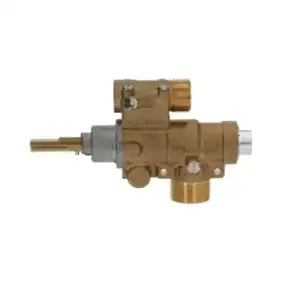
Commercial Gas Burner
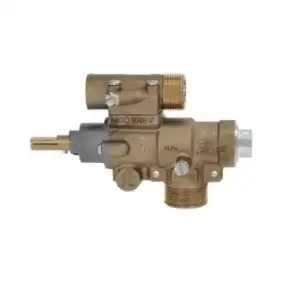
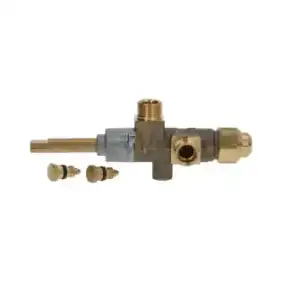
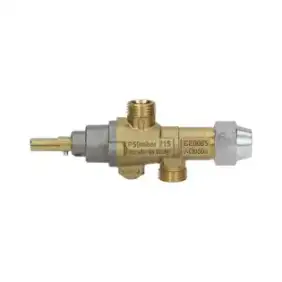
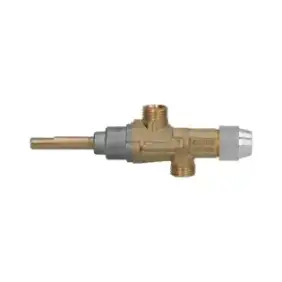
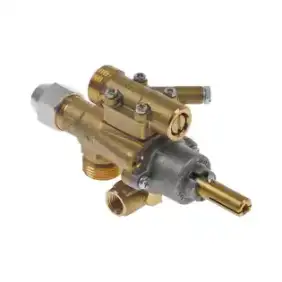
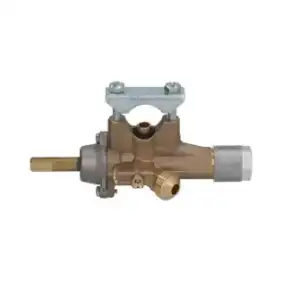
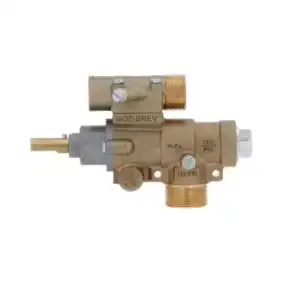
PEL Gas Tap 23S/O 796906 – Horizontal Flange Valve with Pilot, Regulator & Bypass
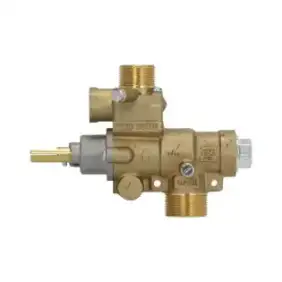
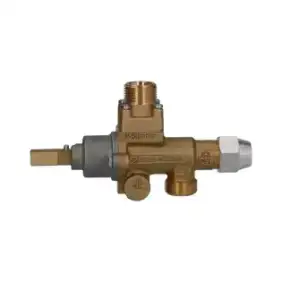
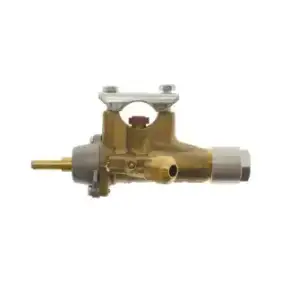
PEL Gas Tap 23S/V 796801 – Vertical Flange Valve with Pilot & Regulator
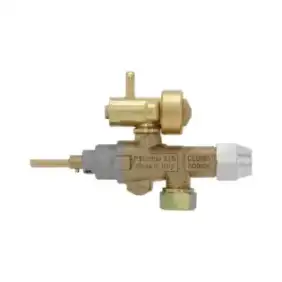
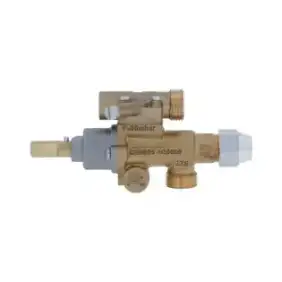
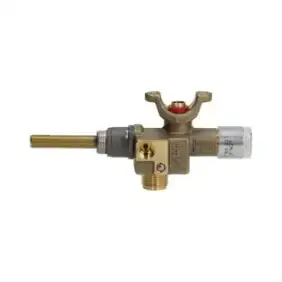
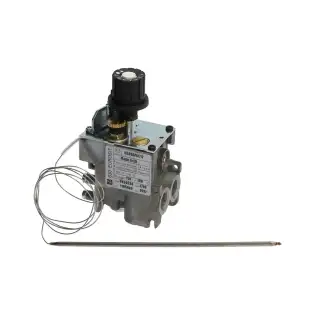
Gas Tap A60/GPEL21D – MKN Pilot Valve with By-pass & Thermocouple
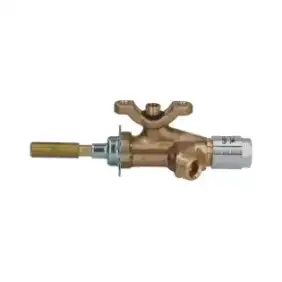
Gas Tap COPRECI CAL20703/079.60.P – Flanged Inlet Valve
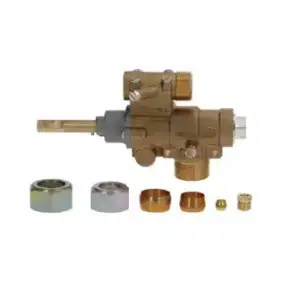
Gas Tap COPRECI CAL3200 – Pilot Flame Valve with Interchangeable Nozzles
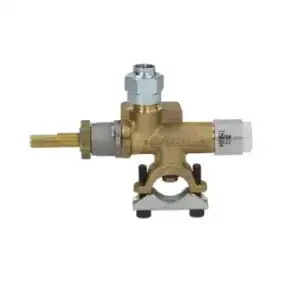
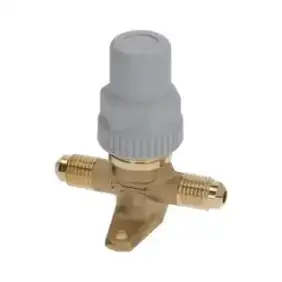
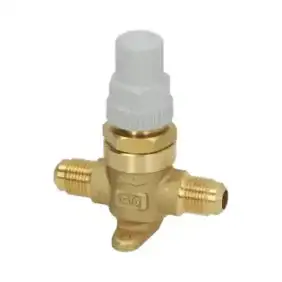
Clamp-Fit Gas Tap COPRECI CPMM18700AV – Secure 21 mm Connections
PEL21S Gas Tap 0K0000028 – Precision M16×1.5 Fittings & Thermocouple Safety
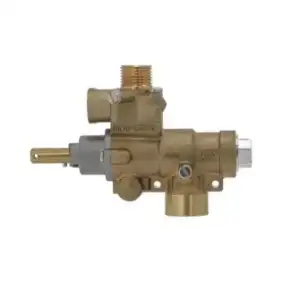
Valve Tap 22S/O – Pilot Flame, M20×1.5 Connections & Flow Regulator
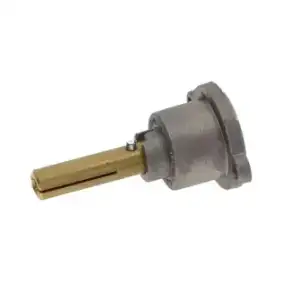
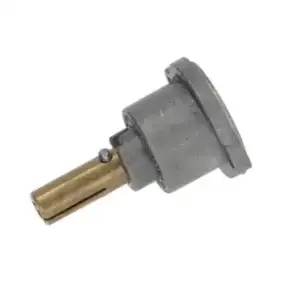
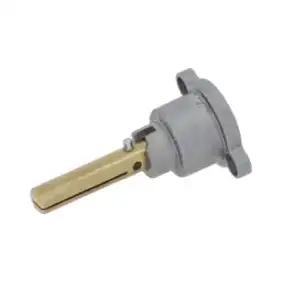
Cap with Pin Ø 10×8 mm – Precision Replacement for PEL 23
Cap with Pin Ø 10×8 mm for PEL 23 – German-Made AFCAPP.23S
Cap with Pin Ø 8×6.5 mm for PEL 21S – German KIT55798
Gas Tap 20/S – M16×1.5 Connections, Flow Regulator (No Pilot Flame)
Gas Tap 22S/O – Pilot Flame, Horizontal Flange, 0.35 mm By-pass
Gas Tap 22S/V – Pilot Flame, Vertical Flange, M20×1.5 mm
Gas Tap 23S/O – Pilot Flame, Horizontal Flange, Bypass Ø 0.35 mm
Gas Tap 23S/V – Vertical Flange Pilot Tap with Bypass Ø 0.35 mm
Gas Tap Copreci CAL5200 – Flange-Mount Non-Pilot Tap for Rotisserie
Gas Tap Copreci CAL5200 – Clamp-Mount Non-Pilot Gas Control
Fagor Gas Tap OEM 12038507 – 1.15 mm Nozzle & 21 mm Clamp Connection
Water Loading Tap – Italian-Made for Gas & Electric Equipment
1/4″ SAE Cap Valve for Hermetic Units – Italian-Made by Castel
3/8″ SAE Cap Valve 6410/3
Gas Cock 23S/O – Firex OEM 30100003
Types of Gas Valves
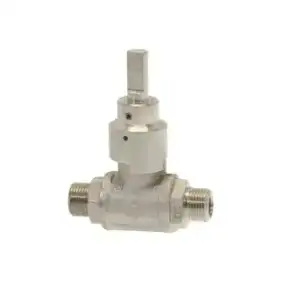
Ball Valves
-
Description: Simple on/off control via a rotating ball with a drilled port.
-
Use Cases: Main shut-off valves on gas lines feeding ranges, griddles and salamanders. Their rapid quarter-turn operation makes them ideal for emergency isolation.
Needle (Fine-Regulating) Valves
-
Description: Tapered needle moves in and out of a seat, allowing very fine adjustment of flow.
-
Use Cases: Low-output simmer burners, chocolate melters, bain-maries and display warmers where precise low-heat settings are required.
Pressure Regulator Valves
-
Description: Diaphragm-controlled valve that maintains a constant downstream pressure despite fluctuations in supply.
-
Use Cases: Protect any multi-burner appliance (ranges, woks, pasta cookers) from pressure spikes, ensuring consistent flame height across all burners.
Safety (Thermocouple) Valves
-
Description: Magnetically held valve that closes automatically if the pilot flame goes out.
-
Use Cases: Gas ovens, fryers and broilers equipped with an ignition pilot; prevents unburned gas buildup in the kitchen.
By-pass / Metering Valves
-
Description: Small orifice bypasses main valve seat to allow a minimal pilot flame or fine meter when main valve is closed.
-
Use Cases: Pilot lights on ovens and griddles, or to feed the thermocouple pilot circuit in high-output ranges.
Appliance Applications
-
Ranges & Stockpot Burners: Use a combination of main ball valves for isolation, pressure regulators for stable multi-ring burner performance, and safety valves for pilot protection.
-
Ovens & Braising Pans: Incorporate safety valves to shut off gas if the thermocouple cools, plus needle valves for fine oven temperature adjustment.
-
Fryers & Deep-Fat Cookers: Feature safety pilot valves and by-pass metering valves to maintain a small pilot flame even when main burners are off.
-
Wok Stations: High-flow ball or slide valves enable chefs to quickly dial up 15–20 kW outputs, while pressure regulators keep flame response consistent.
-
Pasta Cookers & Steamers: Rely on pressure regulators and metering valves to deliver uniform heat across multiple nozzles or burner rings.
-
Salamanders & Griddles: Tubular or infrared burners often have integrated safety valves plus needle-type adjustment for precise browning.
Key Selection Criteria
-
Flow Capacity: Match valve CV rating to appliance maximum input (kW or BTU/h).
-
Regulation Precision: Needle and metering valves for low-rate control; ball valves for full on/off.
-
Safety Features: Thermocouple-activated shut-off in any open-flame pilot application.
-
Material & Certification: Brass or stainless steel bodies with EN 161 approvals for commercial use.
By understanding the various valve types and their roles in different HoReCa appliances, kitchen planners and service technicians can specify the correct components to ensure safe, reliable and efficient gas delivery across all cooking equipment.