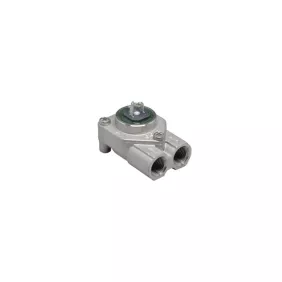
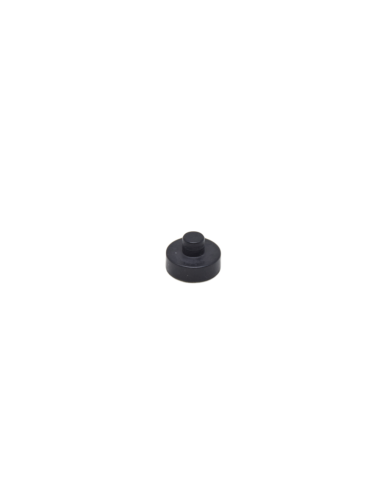
How to find the correct Astoria spare part
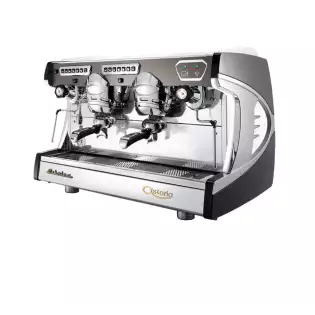
Astoria has used different brewing groups, boilers, pumps, valves and electronic controls throughout its machine range. One component may be suitable for several Astoria models, while another component with a similar appearance may fit only one particular machine version.
Before ordering, check:
- the complete Astoria model name;
- the machine version or control type;
- the number of brewing groups;
- the production period or serial number;
- the mains voltage of the machine;
- the voltage and wattage of the component;
- the original Astoria part number;
- the thread, connection and mounting dimensions;
- the position and function of the original component.
If no part number is visible, compare the old component carefully with the product photographs, measurements and technical information. Electrical, hydraulic and pressure-related components should never be selected solely because they look similar.
Astoria model categories
Astoria Argenta
The Astoria Argenta range was produced in different machine configurations. The brewing system, controls and electrical parts can therefore vary between versions. Browse the available Astoria Argenta parts and confirm the exact machine version before ordering.
Astoria Divina
The Astoria Divina category contains components for the brewing group, boiler, pump system, valves and electrical controls. Use the dedicated Astoria Divina parts category to narrow the selection, then compare the original part number and specifications.
Astoria Gloria
The Astoria Gloria is available in different control and brewing configurations, including lever-operated, manually controlled and volumetric versions. These versions do not necessarily use the same brewing-group, dosing or electrical components. View the available Astoria Gloria parts.
Astoria Perla
The Astoria Perla range also includes different machine versions. When selecting Astoria Perla parts, check whether the component is related to the brewing group, hydraulic circuit, boiler, steam system or electronic controls.
Astoria Plus 4 You
The Astoria Plus 4 You uses a more specialised heating and electronic control system than many traditional Astoria machines. Heating elements, temperature components, electronic controls and boiler parts must therefore be selected using the exact part number and machine configuration. Browse the Astoria Plus 4 You parts.
Astoria Pratic
The Astoria Pratic and later Pratic versions have been produced in several configurations. Parts for the brewing group, dosing controls and electrical system may differ according to the machine version. View the dedicated Astoria Pratic parts.
Astoria Sabrina
The Astoria Sabrina uses volumetric controls and is available in different control-panel configurations. When selecting electronic, dosing or touch-panel components, compare the full code on the original part. Browse the available Astoria Sabrina parts.
Brewing-group parts
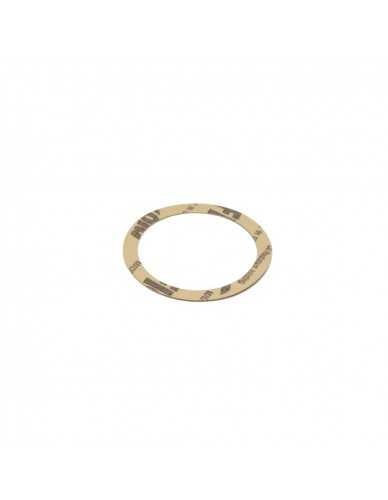
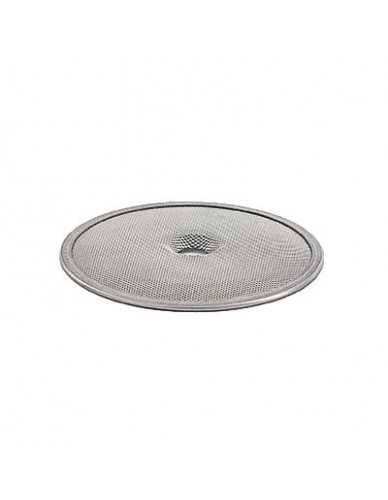
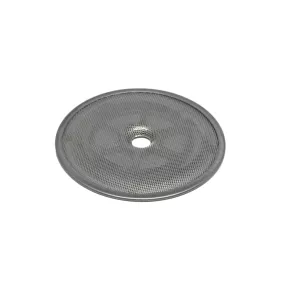
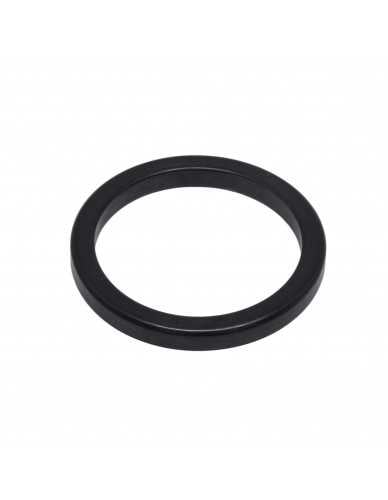
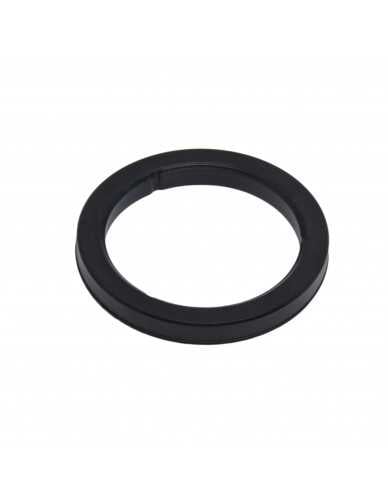
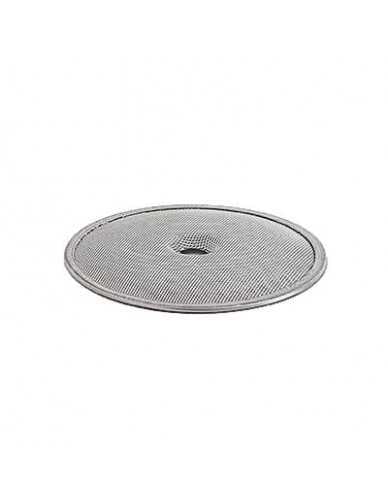
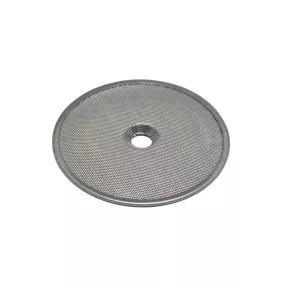
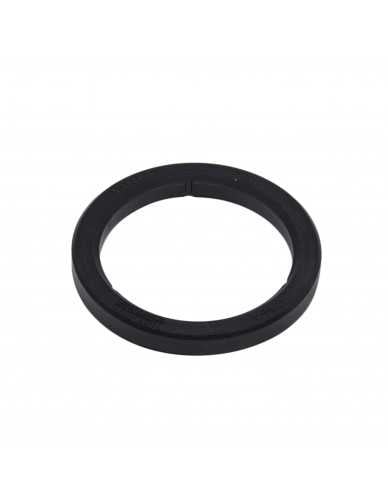
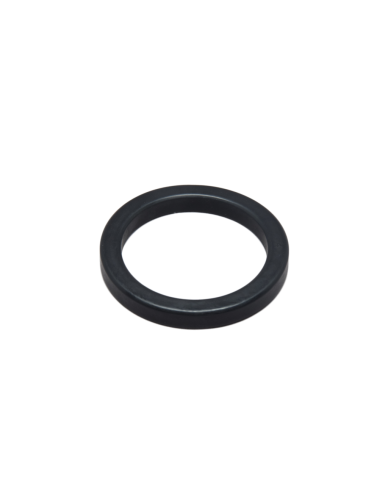
The brewing group is exposed to heat, water pressure and mechanical wear. Common service components include portafilter gaskets, shower screens, diffusers, jets, springs, solenoid-valve seals and gaskets between the group and boiler or frame.
Water leaking around the portafilter is often associated with a worn group gasket, but it may also be caused by:
- a damaged or worn portafilter;
- an incorrect filter basket;
- coffee residue around the gasket seat;
- an incorrectly fitted gasket;
- wear in the locking mechanism.
Slow or uneven water distribution may be related to the shower screen, diffuser, jet, flow restriction or group solenoid valve. Inspect the complete water path before replacing individual components.
For additional parts, view our categories for:
Before ordering a portafilter, check its diameter, ear orientation, ear thickness and locking position. A portafilter with a similar basket diameter is not necessarily suitable for an Astoria brewing group.
Solenoid valves and group discharge
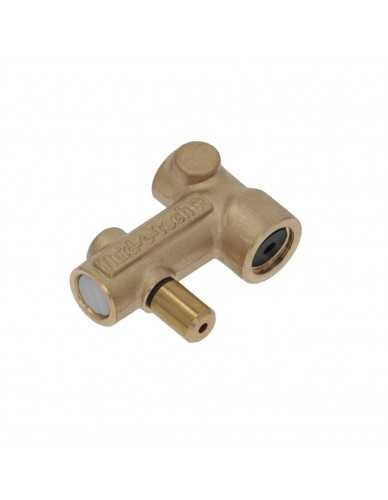
Astoria machines can use solenoid valves for the brewing group, automatic boiler filling and other functions within the water circuit. Complete valves, coils, valve cores and seals must be selected according to their function and technical specifications.
When replacing a solenoid valve, check:
- the coil voltage;
- whether it is a two-way or three-way valve;
- the thread and connection type;
- the flow direction;
- the orifice diameter;
- the position in the machine;
- the original Astoria part number.
A brewing group that does not discharge correctly may have a blocked valve, valve core or discharge pipe. This does not automatically mean that the electrical coil is defective.
Browse our category of solenoid valves for espresso machines for complete valves and related components.
Pumps and the water circuit
Depending on the Astoria model, the hydraulic system can include a rotary pump, pump motor, flowmeters, non-return valves, expansion valves, inlet valves, level probes and various pipes and fittings.
A machine that does not fill or build pressure does not automatically require a replacement pump. The cause may also be:
- a closed or restricted water supply;
- a blocked water filter;
- a defective inlet solenoid valve;
- a problem with the automatic level control;
- a defective motor capacitor;
- an incorrectly adjusted pump bypass;
- a leak or obstruction in the water circuit.
When selecting a replacement pump or motor, check the rotation direction, shaft connection, flow capacity, voltage, frequency and mounting arrangement. Browse our espresso machine pumps and pump components.
Boiler and heating elements
Astoria espresso machines have been produced with different boiler sizes, heating-element powers and electrical configurations. The model name or number of brewing groups alone may not be sufficient to identify the correct heating element.
Before ordering a heating element, check:
- the mains voltage of the machine;
- the heating-element wattage;
- the flange shape and dimensions;
- the immersed length;
- the number and position of the terminals;
- the number of heating circuits;
- the original Astoria part number.
If the boiler does not heat, the heating element is not necessarily defective. The pressure switch, safety thermostat, contactor, level control, wiring or power supply can also interrupt the heating circuit.
Browse our espresso machine heating elements. Check whether the element requires a separate flange gasket and replace damaged or compressed seals during installation.
Steam and hot-water valves
Steam and hot-water valves contain wear components such as valve shafts, seals, O-rings, springs, bushes, knobs, steam tubes and complete valve bodies.
Leakage from a closed valve is often related to a worn seal or valve seat. Difficult operation may be caused by contamination, scale, a damaged shaft, a worn bush or incorrect assembly.
Astoria models may use similar valve bodies while having different shafts, knobs, steam tubes or connections. Compare the original part number, shaft length, thread and seal dimensions before ordering.
Additional components can be found in our category of steam valves and steam-valve parts.
Water inlet and automatic boiler filling
The automatic boiler-filling system can include a level probe, electronic level regulator, inlet solenoid valve, non-return valve and water-supply components. If the boiler does not fill, overfills or fills intermittently, the complete circuit should be checked before the electronic controller is replaced.
Possible causes include:
- scale or contamination on the level probe;
- a loose probe connection;
- a blocked water inlet;
- a defective inlet valve or coil;
- a damaged level regulator;
- an interruption in the water supply.
The level probe and boiler body form part of the detection circuit. Poor electrical contact or contamination can therefore affect boiler-level detection.
Electronic controls and dosing devices
Professional Astoria machines may use dosing devices, level regulators, contactors, switches, touch panels, displays and electronic control boards. These components are often specific to the machine version, supply voltage and number of brewing groups.
An electronic unit with the same housing is not necessarily interchangeable. Check:
- the complete code printed on the original unit;
- the supply voltage;
- the number of brewing groups;
- the connector layout;
- the control-panel version;
- the machine model and production period.
For additional electronic components, browse our category of espresso machine dosing devices.
Pressure switches, gauges and safety components
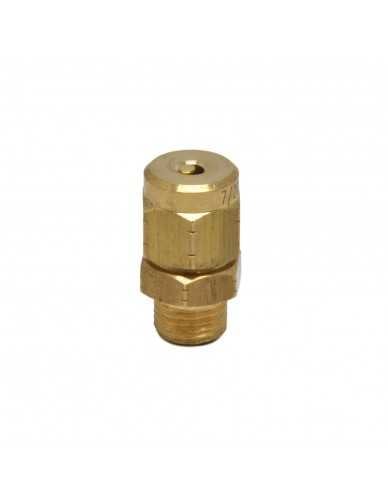
The boiler-pressure system can include a pressure switch, manometer, anti-vacuum valve and safety valve. These components perform different functions and should not be selected only by thread size or visual appearance.
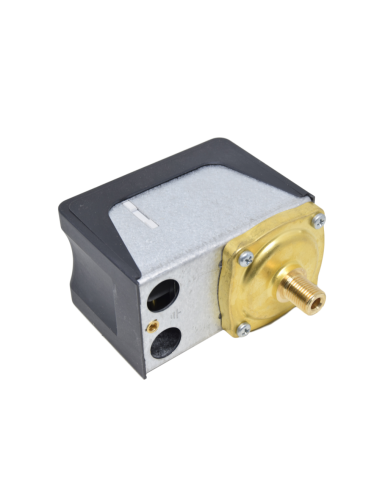
For a pressure switch, check the electrical rating, pressure range, connection and adjustment specification. For a safety valve, the set pressure, connection, certification and application must match the requirements of the machine.
Never modify or substitute a boiler safety component without confirming the correct technical specification. Repairs involving pressure vessels, safety valves or high-voltage components should be carried out by a qualified technician.
Original and compatible Astoria parts
This category contains both original Astoria components and compatible replacement parts from other manufacturers. An original component is supplied according to Astoria specifications. A compatible part is intended as an alternative to one or more stated original part numbers.
Compatible does not mean that a component fits every Astoria machine. Compatibility should be confirmed using:
- the stated Astoria part number;
- the listed machine models;
- the technical dimensions;
- the material;
- the voltage and wattage;
- the hydraulic or electrical configuration.
A compatible gasket or mechanical component can be a suitable alternative when all relevant specifications match. Electrical, pressure-related and safety-critical parts require particularly careful verification.
Astoria and Wega compatibility
Some Astoria CMA components are also used on specific Wega espresso machines. Shared components may include certain group gaskets, valve parts, boiler fittings and electrical components.
This shared use does not apply to every machine or every part. Do not assume compatibility based only on appearance or the relationship between the brands. Confirm the Astoria or Wega part number and the models stated on the product page.
Traditional, lever-operated and electronic machines
The Astoria range includes traditional pump-driven espresso machines, lever-operated machines and models with volumetric or electronic controls. Components from these systems are not automatically interchangeable.
Lever-operated versions use different brewing-group components from pump-driven models. Manual and volumetric machines may share mechanical parts but use different dosing controls, flowmeters, touch panels and wiring.
Always identify the full machine version before selecting brewing-group or electronic components. The designation printed on the machine, serial plate or original controller is more reliable than the general model family alone.
Cleaning and preventive maintenance
Regular cleaning cannot prevent every technical fault, but it helps keep the brewing group, solenoid valves, steam system and water circuit in good condition.
Common maintenance tasks include:
- cleaning the brewing group and shower screens;
- removing coffee residue from the gasket seat;
- cleaning steam tubes immediately after use;
- inspecting hoses and fittings for leaks;
- checking the condition of valve seals and O-rings;
- monitoring water quality and scale formation.
Do not replace components or descale a commercial machine without considering its water treatment, boiler condition and manufacturer instructions. Incorrect descaling can release deposits that subsequently block valves, flow restrictions or pipes.
Cannot find the correct Astoria part?
Record the complete machine model, version and serial number. Also note every code printed on the original component. Clear photographs of the part, its electrical or hydraulic connections and its installed position can help distinguish between similar versions.
For additional components, browse our complete range of espresso machine parts.