How to select the correct espresso machine brewing group part
A brewing group contains many parts that may look similar but perform completely different functions. Select the component in this order:
machine brand and model → brewing group type/version → OEM reference → part function → dimensions and geometry → material/thread → mounting or electrical specification
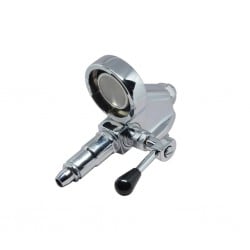
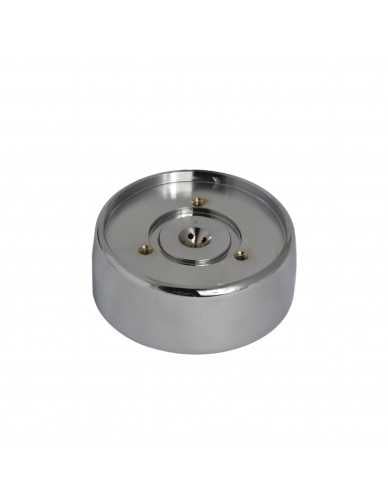
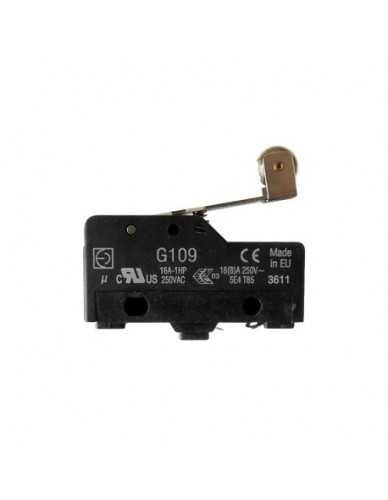
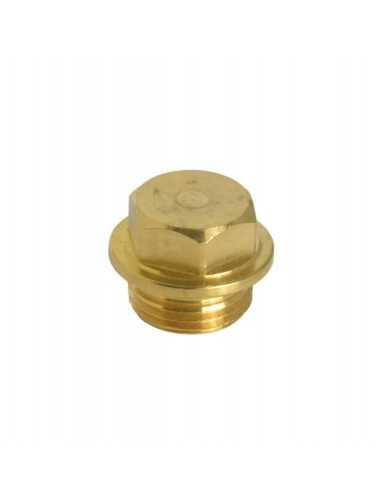
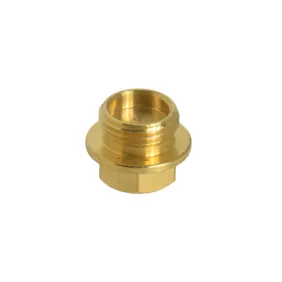
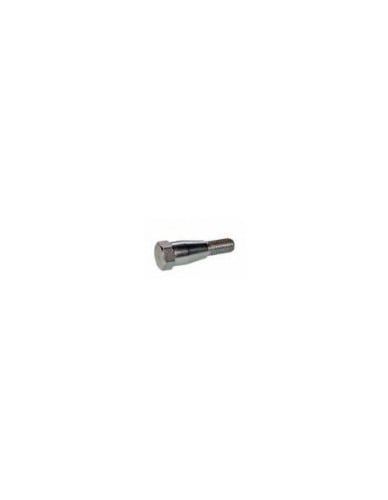
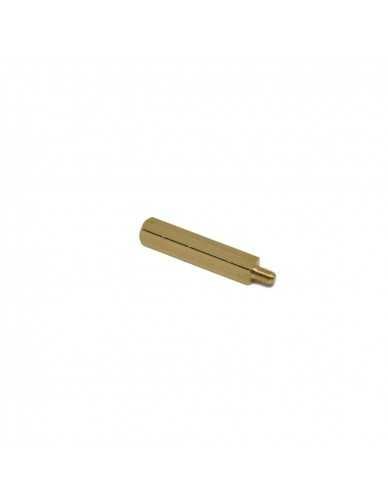
Do not identify a brewing group component from the product image alone. Small differences in thickness, thread, bore, spring length or sealing profile can determine compatibility.
Portafilter gaskets
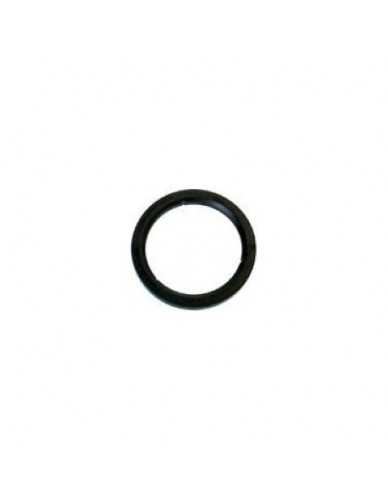
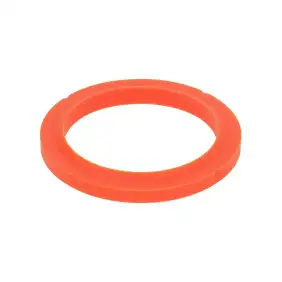
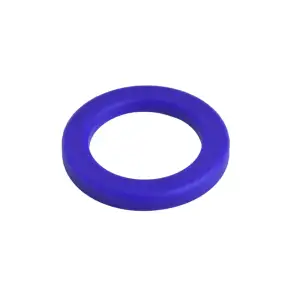
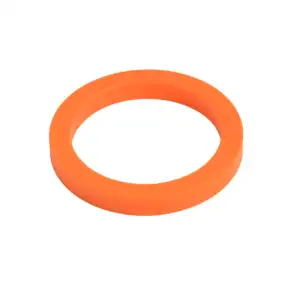
The portafilter gasket seals between the portafilter and brewing group during extraction. These gaskets are usually selected by outside diameter, inside diameter, thickness, profile, material and machine compatibility.
Thickness is especially important because it affects the locking position of the portafilter. Two gaskets with the same outside and inside diameter but different thicknesses are not necessarily interchangeable.
Material also matters. Standard rubber and silicone portafilter gaskets can have different hardness, compression and service characteristics. Do not substitute materials only because the dimensions appear identical.
Internal brewing group gaskets and seals
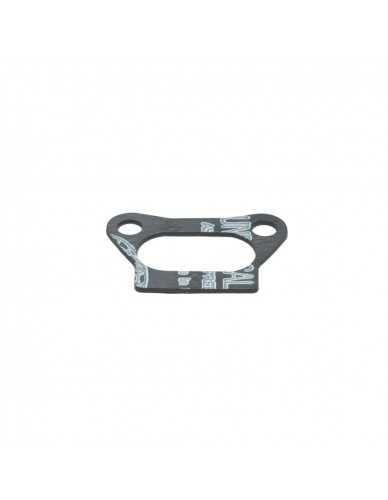
Not every gasket in the group is a portafilter gasket. The brewing group gasket category contains seals used internally around valves, group components and hydraulic connections.
For these parts, compare dimensions, profile, material and exact sealing position. Matching outside and inside dimensions alone do not guarantee that two gasket materials or profiles can be substituted.
Group locking and mounting gaskets
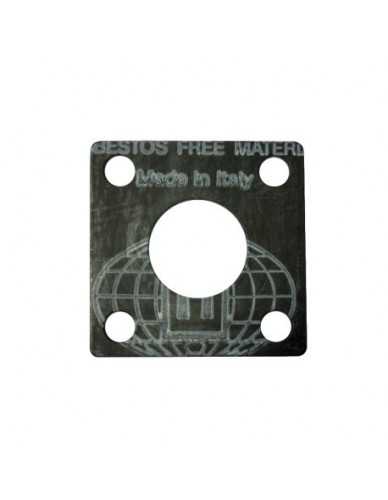
The group gasket category includes gaskets used between the brewing group body and surrounding machine components, including mounting and locking applications.
These should not be confused with the portafilter gasket. Check the group design, gasket shape, mounting position and original reference before ordering.
Shower screens
The shower screen distributes brewing water over the coffee bed and helps prevent coffee particles from entering the internal passages of the group.
Compare outside diameter, depth, shape, centre-hole size and mounting method. Some screens are secured with a central screw, while others are retained by the portafilter gasket or another group component.
A shower screen with the correct diameter can still be incompatible if its depth or fixing system differs.
Diffusers and shower holders
Behind the shower screen is often a diffuser or shower holder. This component distributes water inside the group and can also support or retain the shower screen.
Compare the diameter, thickness, thread, water passages, mounting system and screen interface. Two diffusers designed for similar shower screens are not automatically interchangeable.
Mechanical brewing group valves
Mechanical brewing groups can contain inlet, infusion, exhaust and drain valves. See the brewing group valve category for these components.
A valve assembly can consist of a shaft, gasket, spring, guide, seat and other small components. When rebuilding a valve, compare the complete assembly rather than matching one part by appearance.
Important dimensions can include shaft length, seal diameter, thread, spring dimensions and valve-seat geometry.
Brewing group springs
Brewing group springs are used in valves, lever mechanisms and other moving assemblies.
Springs with the same outside diameter can still differ in free length, wire diameter, number of coils and compression characteristics. Use the machine model, OEM reference and stated dimensions rather than modifying another spring to fit.
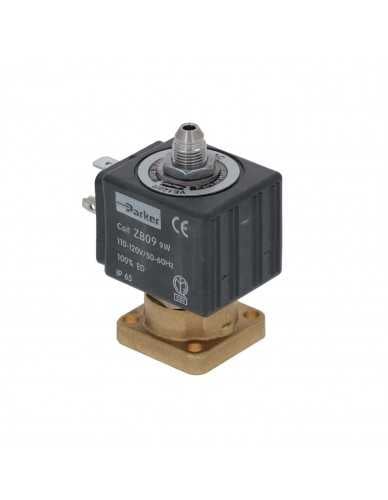
Brewing group solenoid valves
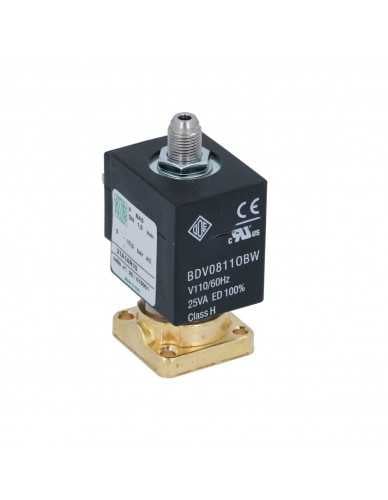
Many electronically controlled machines use a brewing group solenoid valve to control the flow to the group and release pressure after extraction.
Depending on the machine, you may need a complete valve, coil, valve body or internal repair component. Check:
- machine and brewing-group application;
- number and position of ports;
- thread size;
- coil voltage and frequency;
- connector type;
- valve configuration and flow direction.
Do not select a solenoid valve only because the body or coil looks similar.
Jets, nozzles and gigleurs
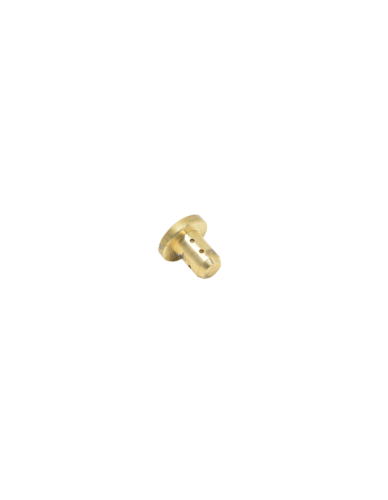
Jets and gigleurs restrict or regulate water flow through the brewing circuit.
The calibrated bore is one of the most important specifications. Two jets can have identical external dimensions and thread but different internal openings.
Compare thread, overall length, head geometry and bore diameter. Installing a different calibrated bore can alter water flow and brewing-group behaviour.
Brewing group filters
Small brewing group filters help prevent scale or debris from entering narrow passages, valves and jets.
Compare diameter, length, mesh construction and mounting method. A restricted filter can reduce water flow, but low group flow can also be caused by a blocked jet, valve, pipe or another part of the hydraulic circuit.
Brewing group O-rings
O-rings seal valve assemblies, fittings and other group components.
Select an O-ring by inside diameter, cord thickness, material and application. Do not rely only on measurements taken from an old O-ring because it may have compressed, stretched or hardened during service.
Material is also part of compatibility. Heat, pressure, water and cleaning chemicals can affect different elastomers differently.
Heat exchangers
In heat-exchanger machines, the heat exchanger transfers heat from the steam boiler to the brewing-water circuit.
Heat exchangers can differ in length, diameter, flange design, threads and connection position. Confirm the exact machine version and compare all mounting points before ordering.
A heat exchanger for another version of the same model is not automatically interchangeable.
Brewing group pipes
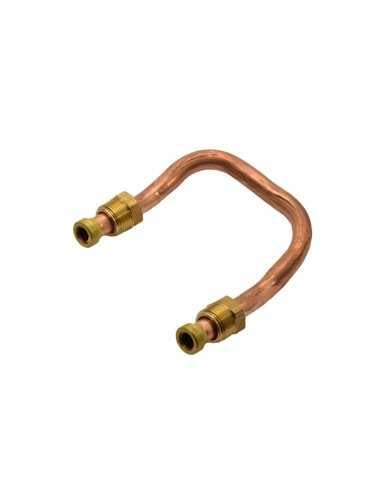
Brewing group pipes connect the group to the boiler, heat exchanger and other hydraulic components.
Compare pipe diameter, length, bends, connection types and mounting position. Do not force or excessively bend a pipe to compensate for an incorrect fitting or incompatible machine version.
Brewing group mechanical parts
Some repairs involve structural or mechanical parts rather than a single gasket or valve. The brewing group parts category contains components such as group bodies, lever parts, collectors and other mechanical group components.
These parts are generally highly model-specific. Compare mounting points, threads, dimensions, valve interfaces and OEM references.
Complete brewing groups
A complete brewing group can be appropriate when the existing body is badly damaged, heavily worn or no longer practical to rebuild from individual parts.
Complete groups are highly machine-specific. Check mounting points, water connections, group diameter, electrical components and which accessories are included.
Do not identify a complete group from appearance alone.
E61 and E61-style brewing group parts
The Faema E61 is one of the best-known mechanical espresso brewing-group designs, and related E61-style constructions are used by several manufacturers.
However, E61-style does not mean universal. Manufacturers and machine generations can use different portafilter gaskets, valves, springs, jets, diffusers, shower screens and mounting components.
Always compare the exact dimensions, thread, sealing geometry and OEM or manufacturer reference. A component used on one E61-style machine may not fit another.
OEM and compatible brewing group parts
This category includes both original OEM parts and compatible replacements. OEM parts correspond to manufacturer references, while compatible parts can be produced by another supplier to the required dimensions and technical specification.
Neither should be selected by appearance alone. Use the OEM reference where available and confirm the dimensions, material, thread and listed machine applications.
A generic part being listed for several espresso machine brands is not automatically an error. Shared applications are normal when the manufacturers use the same component or technical specification.
Final check before ordering
For an unknown brewing group component, verify as many of the following as possible:
- espresso machine brand and exact model;
- brewing group type or version;
- production year or serial-number range where relevant;
- OEM part number;
- function of the component;
- outside and inside dimensions;
- thickness or overall length;
- profile and material;
- thread and bore size;
- mounting points and sealing geometry;
- voltage and frequency for electrical components;
- listed machine compatibility.
Use photographs as an additional check, not as the main selection method. Brewing group components can look nearly identical while differing in dimensions, internal bore, material or mounting design.