Types and Functionality of Pilot Lights
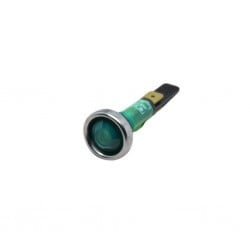
Indicator lights for espresso machines come in various shapes, colors, and configurations. The most common colors are red and green, often with a round indicator design, and these lights typically run on 220-230V, which is standard for many espresso machines.
- Red Pilot Lights: Red lights are usually used to indicate when the machine is heating or when a specific function is activated, such as a pump or power. For example, a red light often indicates when the heating element is on.
- Green Pilot Lights: Green lights are commonly used to show that the machine is ready for use, or that a component, such as the water tank or group head, is operating correctly.
These lights are crucial for providing clear, visible status updates to the user, making it easy to monitor the operation of the espresso machine.
Variations in Pilot Lights
In addition to color, pilot lights can come with various mounting styles and electrical connections. Some pilot lights include cabling that connects directly to the machine’s wiring, while others come with spade connectors, making them easy to install or replace.
As seen in the image, pilot lights are available in different configurations. Some options include specific models for certain espresso machine brands, such as Bezzera, San Remo, La Cimbali, and ECM Heidelberg. They offer various mounting hole sizes (e.g., 6mm, 10mm) and voltage ratings, providing flexibility for different espresso machine models.
How Pilot Lights Work
Pilot lights function by connecting to the electrical circuits inside the espresso machine. When the specific component (like the boiler, heating element, or pump) is activated, the current passes through the pilot light, causing it to illuminate. This serves as a visual cue that the machine is performing a specific function, such as heating water or being in standby mode.