How Do Thermostats Work in Espresso Machines?
At their core, thermostats in espresso machines act as temperature regulators. They are connected to various components such as the boiler or brewing group, where they monitor the temperature and ensure it stays within an ideal range for optimal performance. When the temperature exceeds the set threshold, the thermostat triggers a response to either shut off the heating element or regulate the power, preventing the machine from overheating.
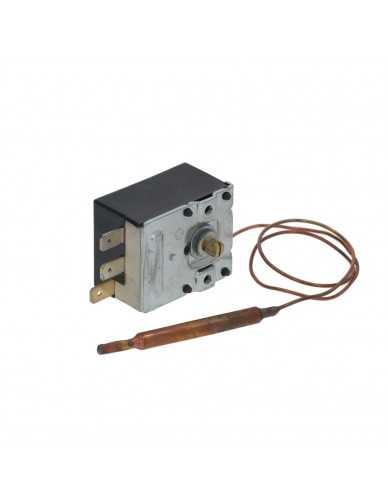
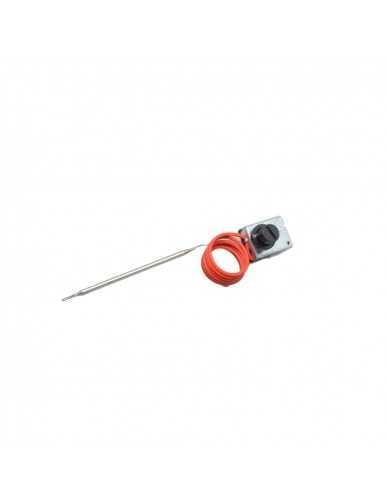
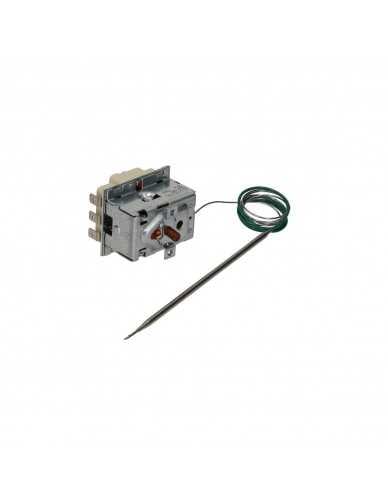
Thermostats come equipped with a temperature probe, which senses the temperature in real-time. Once the water or steam temperature reaches the set point, the thermostat will either open or close a circuit, allowing the heating element to be turned off or on, depending on whether the machine needs to maintain or lower its temperature.
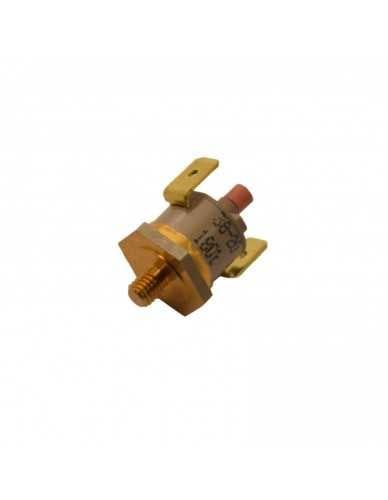
The types of thermostats used vary based on their application and the temperature ranges needed for each component. For example, boilers typically require thermostats with higher switch-off temperatures, ranging between 150°C and 170°C, while brewing groups require lower temperatures, typically between 95°C and 105°C.
Choosing the Right Thermostat
When selecting the correct thermostat for your espresso machine, there are several factors to consider:
-
Brand and Compatibility: Each espresso machine brand—such as Rancilio, La Marzocco, Faema, or ECM—may require specific thermostats. It's crucial to check the model and reference numbers to ensure compatibility with the thermostat you're looking for. Ensuring that the part matches your machine’s specifications will guarantee the proper fit and function.
-
Required Temperature: Different parts of an espresso machine require different temperatures. Brewing groups and group heads typically operate at lower temperatures (95°C - 105°C), while the boiler needs a thermostat that can handle higher temperatures, often around 150°C or more. Be sure to choose a thermostat that matches the temperature needs of the component you are regulating.
-
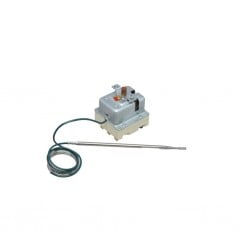
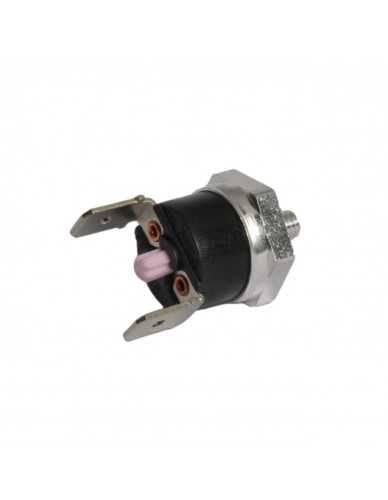
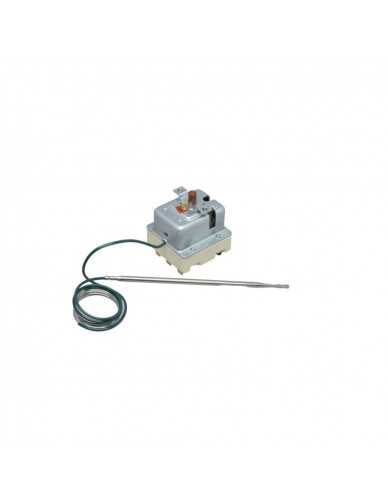
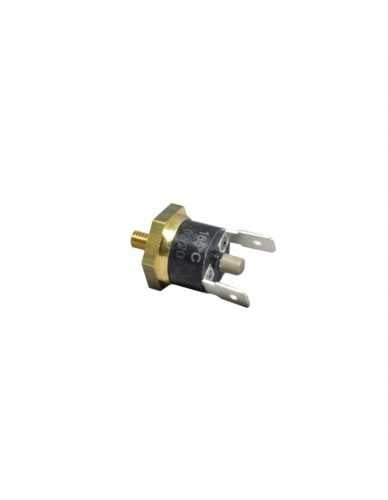
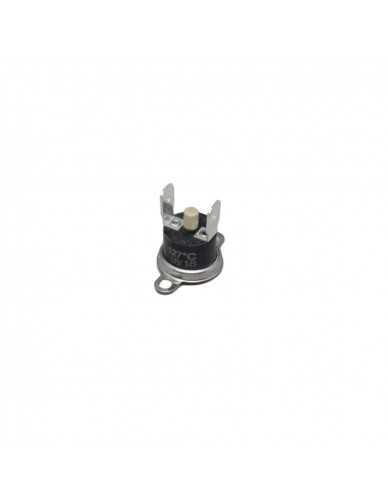
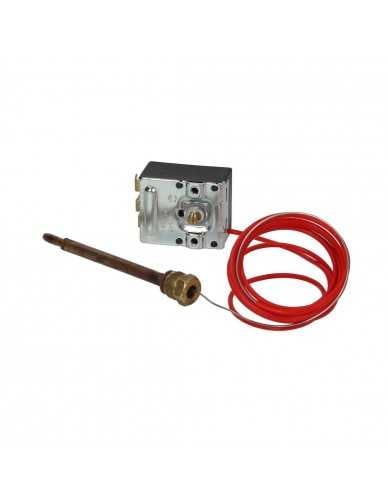
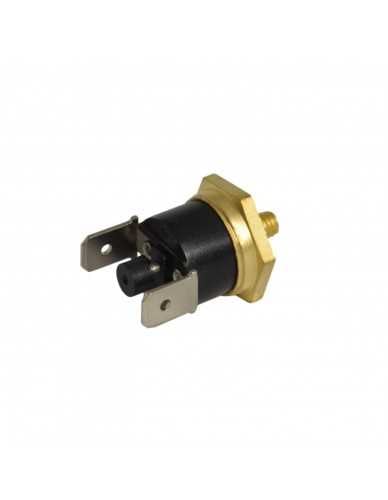
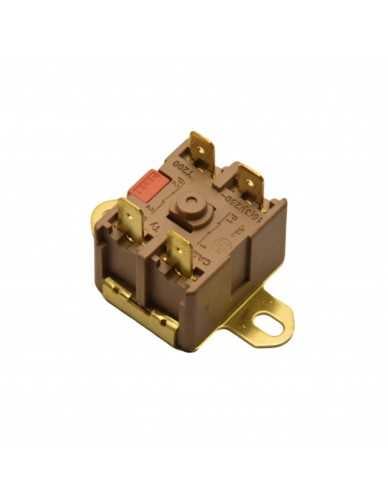
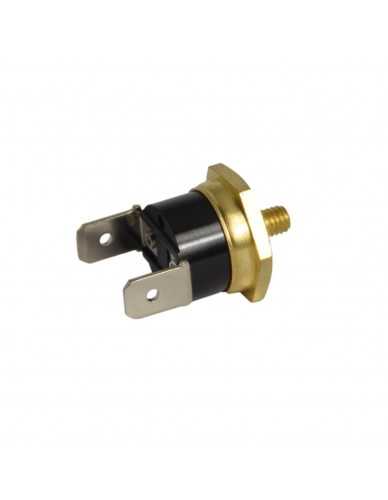
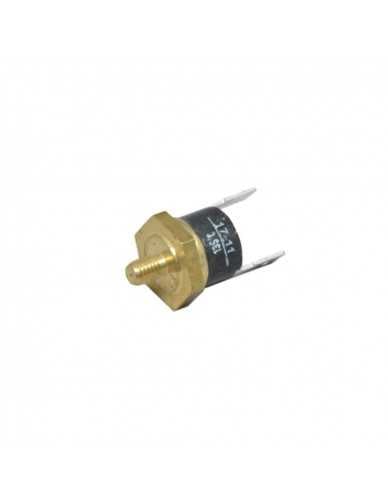
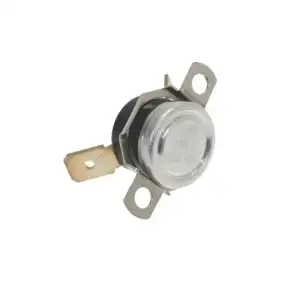
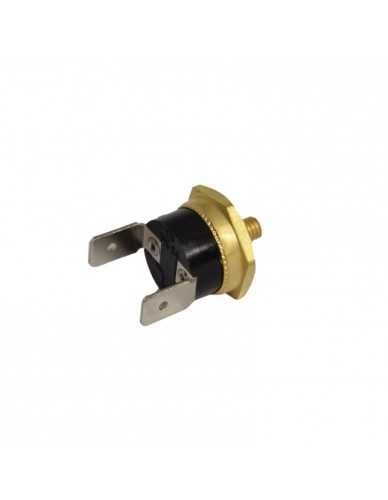
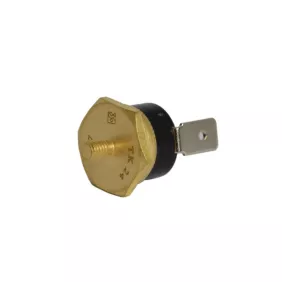
Type of Thermostat: Some thermostats are contact thermostats, which directly control the connection to the heating element. Others use a bulb that slides into the heating element or boiler to measure the temperature. The choice depends on the specific espresso machine model and component design.
-
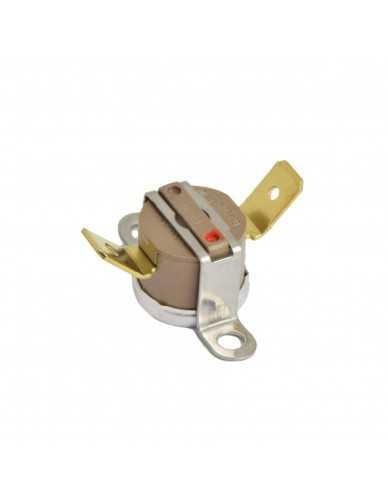
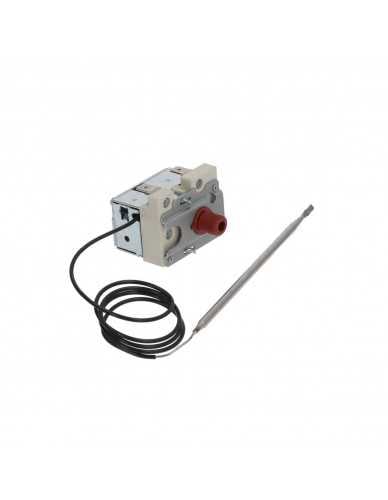
Reset Type: Thermostats come with either an automatic reset or a manual reset function. Automatic reset thermostats are commonly used in brewing groups and espresso machine heads. When the temperature reaches the preset limit, the thermostat automatically resets, ensuring that the machine continues to operate efficiently. On the other hand, manual reset thermostats are often used in the boiler and heating elements. When a manual thermostat shuts off, it requires intervention to be reset, and it's crucial to investigate the cause of the shutoff, as this could indicate overheating or another mechanical issue that needs attention.
The Role of Thermostats in Machine Safety
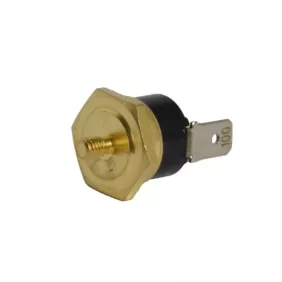
Thermostats aren’t just about regulating temperature; they serve as a thermal protection mechanism. If an espresso machine's temperature exceeds the safe operating range, the thermostat helps prevent serious damage by cutting power to the heating element. This safety feature is especially important in commercial espresso machines, where high temperatures and extended use put the machine at risk of overheating. Thermostats like the Rancilio Contact Thermostat 100°C or the Monophase Thermostat 170°C are designed to ensure the internal systems do not exceed their thermal limits, preserving the integrity and longevity of the machine.