Purpose of Valves on Espresso Machines
Valves are crucial components in espresso machines, playing key roles in regulating pressure, controlling water flow, and ensuring safety. In this section, we will explain the different types of valves found in espresso machines and their functions.
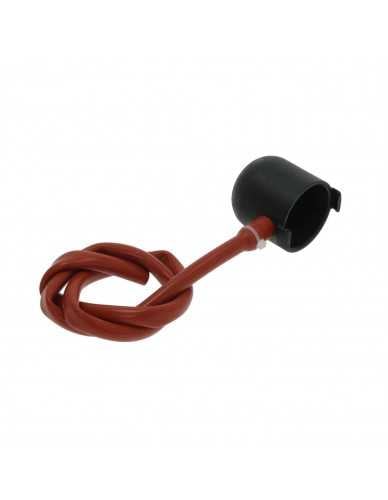
Vacuum Valve
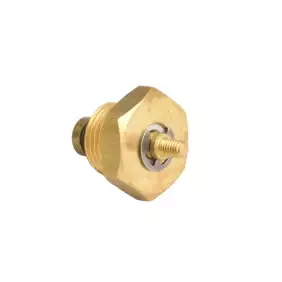
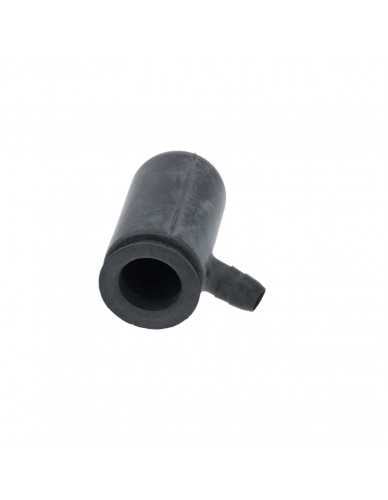
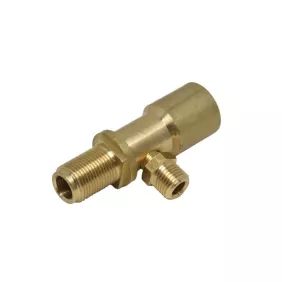
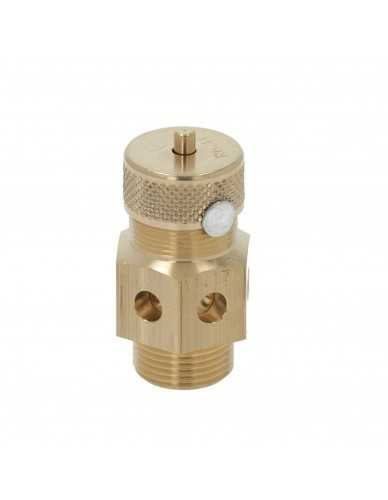
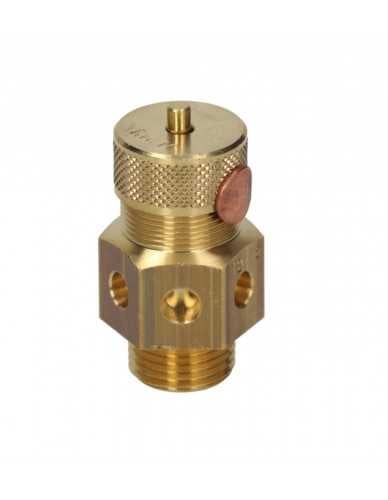
The vacuum valve is the latest innovation used in coffee machines. It remains open during the heating process of the boiler, allowing false air to escape. Once the air is released, the valve closes automatically, using the pressure from the boiler. This prevents the pressure switch from triggering prematurely.
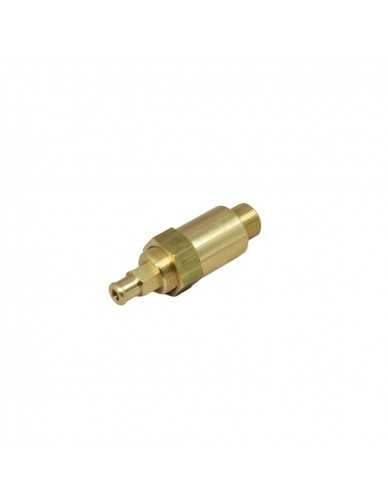
Expansion Valve
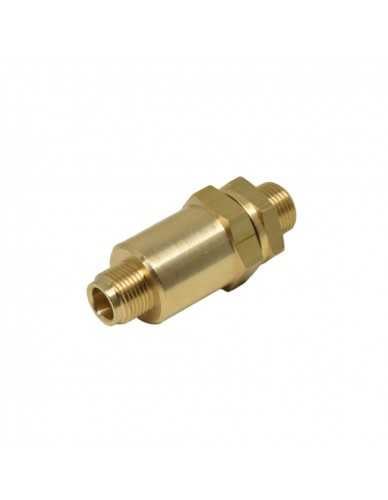
The expansion valve is designed to release pressure from the hydraulic system when the pump is operating. It can be preset to a fixed pressure, but many models allow for adjustment to suit specific needs.
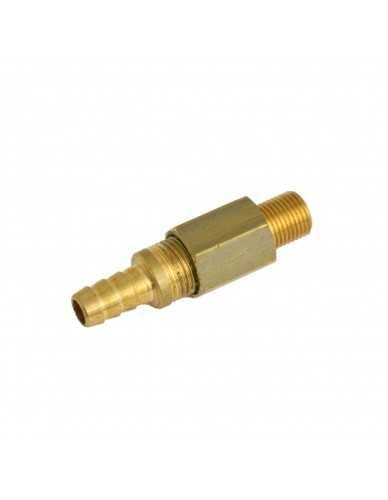
Non-Return Valve
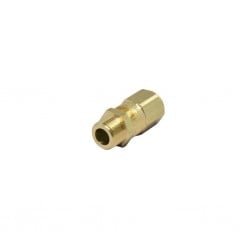
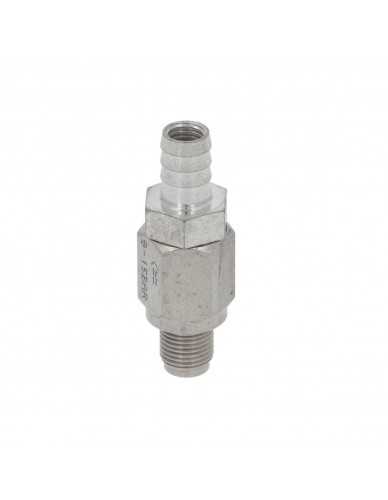
As the name suggests, the non-return valve allows water to flow in only one direction. It is typically found before a heat exchanger tube to prevent heated water from flowing back into other parts of the machine, ensuring proper functioning.
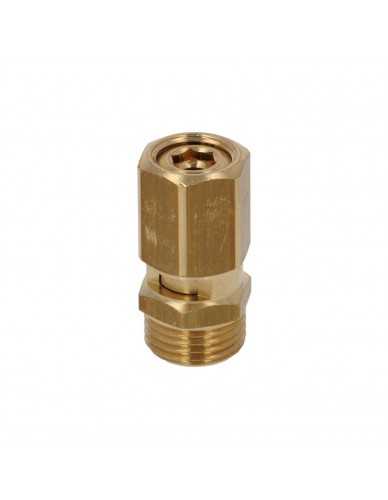
Safety Valve
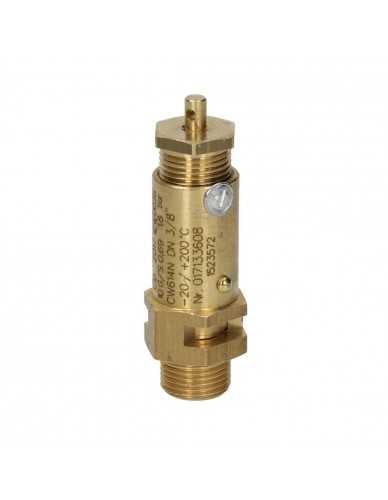
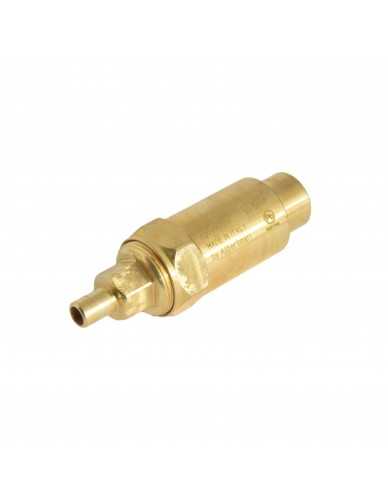
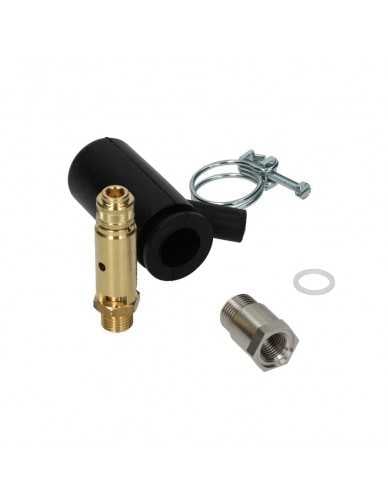
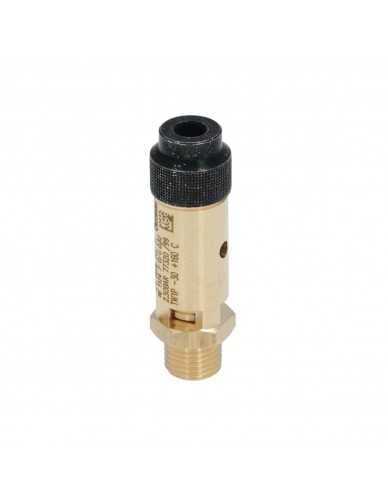
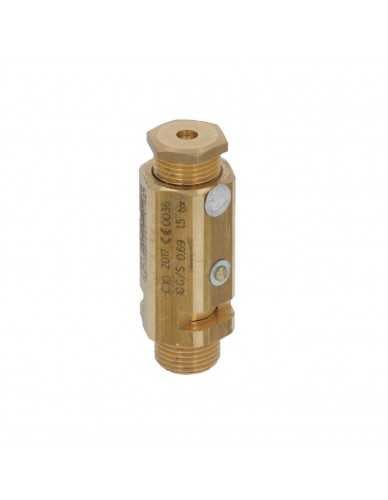
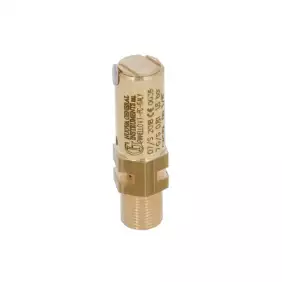
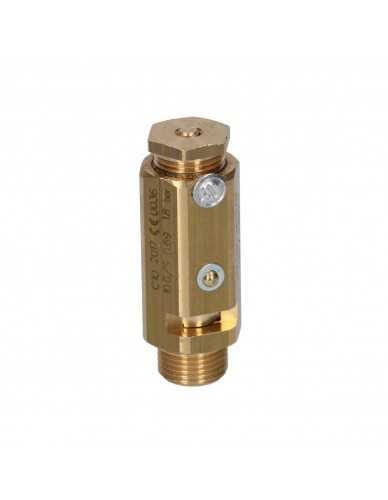
The safety valve is one of the most essential components in an espresso machine, particularly the boiler safety valve. It serves as the last line of defense in case other safety devices, such as the pressure switch or thermostat, fail. If the heating element continues to heat and pressure builds up, the safety valve releases excess pressure to prevent potential disasters. It is recommended to replace this valve every two years, as advised by manufacturers, to ensure continued safety and performance.