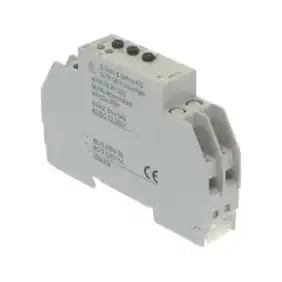
What is a Relay?
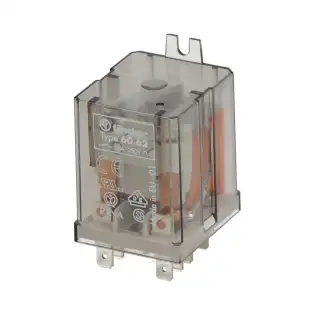
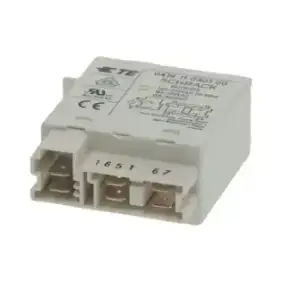
A relay is an electrically operated switch that allows you to control the flow of electricity in a circuit. When an electric current is applied to the relay's coil, it activates an electromagnetic switch that opens or closes the circuit, depending on the design of the relay. This allows for greater control over electrical devices, enabling them to perform complex tasks such as switching heating elements, activating motors, and controlling lights.
Why Relays Are Used in HoReCa Equipment
1. Control of High-Powered Components
Many HoReCa appliances such as ovens, refrigerators, fryers, and espresso machines contain high-powered electrical components, like heating elements and motors, that require careful control. Relays allow these components to be activated without overloading the control circuits. Relays enable the safe switching of high-voltage or high-current circuits with a low-voltage signal, preventing damage to sensitive control systems.
2. Ensuring Precise Functionality
Relays help ensure the precise functionality of various systems within HoReCa equipment. For example, in espresso machines, relays control the heating elements, water pumps, and solenoids to ensure that the machine operates efficiently and consistently. In dishwashers, relays control the operation of motors, water pumps, and heating elements during different cycles.
3. Energy Efficiency and Cost Reduction
Relays help optimize energy consumption by controlling when and how power is distributed to components. For instance, a relay can turn off a heating element once the desired temperature is reached, preventing unnecessary energy consumption. Similarly, relays control the on/off cycles for motors in refrigerators and fryers, improving the overall efficiency of the equipment.
4. Safety Features
Relays are integral to maintaining safety in HoReCa equipment. For instance, a safety relay in a fryer or coffee machine can cut off power to the heating element or motor if the system detects a fault, such as overheating or overcurrent. This reduces the risk of fires, electrical damage, or equipment failure.
Types of Relays Used in HoReCa Equipment
1. Electromagnetic Relays
Electromagnetic relays are the most common type used in HoReCa equipment. These relays use an electromagnet to move contacts within the relay, controlling the flow of electricity through the circuit.
-
Function: Electromagnetic relays are used in appliances like fryers, refrigerators, and ovens to activate heating elements, motors, and fans, allowing them to function according to the settings chosen by the operator.
-
Importance: These relays offer reliable, fast switching of electrical circuits, providing precise control over appliances' operations.
2. Solid-State Relays
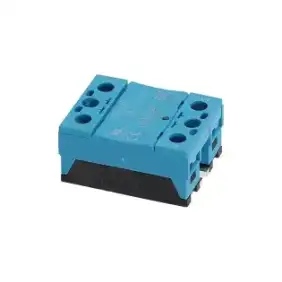
Solid-state relays (SSRs) are used in equipment that requires very precise control, such as espresso machines and induction cookers. These relays function without moving parts and use semiconductor technology to switch electrical circuits on and off.
-
Function: Solid-state relays are ideal for controlling high-frequency systems and sensitive electrical components. They are commonly used in coffee machines to manage the water pump, heating elements, and temperature control systems.
-
Importance: SSRs are quieter and more durable than mechanical relays, making them ideal for long-lasting, high-performance applications in HoReCa environments.
3. Time-Delay Relays
Time-delay relays are used in applications where a delay is required before the relay activates or deactivates the circuit.
-
Function: These relays are often used in dishwashers or ovens, where certain functions need to be delayed to allow for specific processes (like pre-heating or washing) to occur before another function begins.
-
Importance: Time-delay relays help prevent damage to components by ensuring that electrical functions happen in the correct sequence.
Conclusion
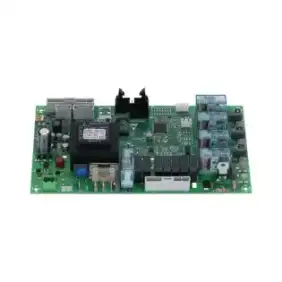
Relays are essential components in ensuring the safe, efficient, and precise operation of HoReCa equipment. From espresso machines to fryers, relays help control high-powered components, improve energy efficiency, and enhance the overall functionality of the equipment. At Brooks-Parts, we offer a wide range of reliable relays for various HoReCa machines, ensuring that your appliances continue to operate smoothly and safely. Whether you need an electromagnetic relay, solid-state relay, or time-delay relay, we have the parts you need to keep your equipment performing at its best. Regular maintenance and timely replacement of relays will help ensure that your HoReCa equipment remains safe, efficient, and reliable.