Espresso machine boiler parts
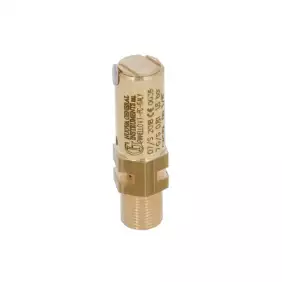
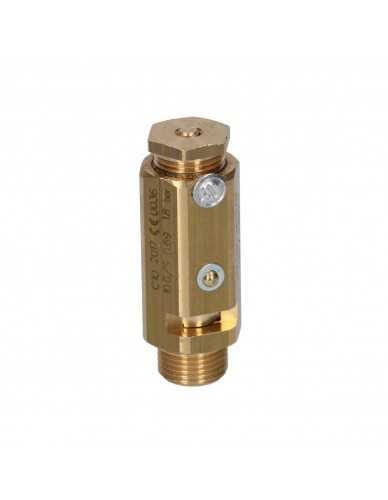
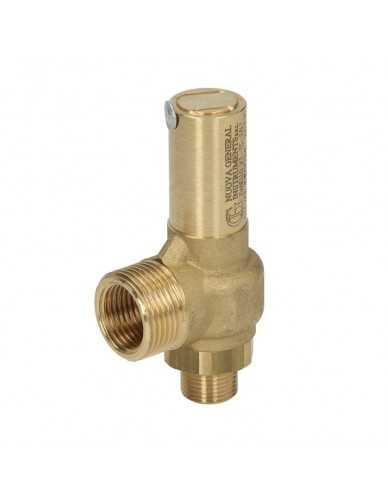
SanRemo safety valve 3/8” 1,8 bar CE/PED Original
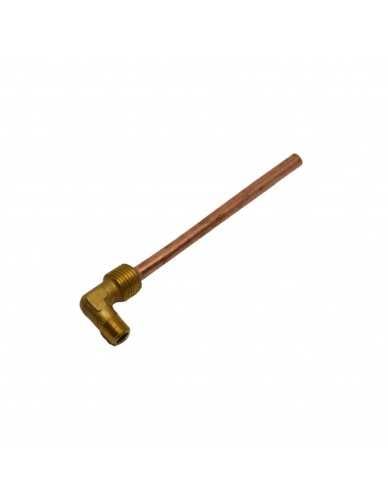
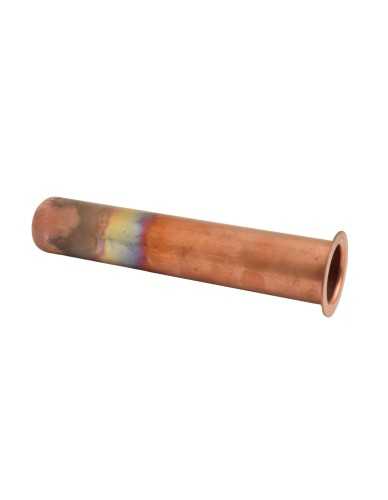
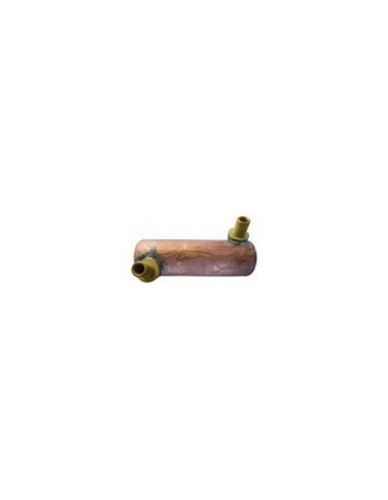
Cimbali-Faema copper tube 442-910-002
Safety valve 3/8" 1.8 bar CE/PED
La San Marco Safety valve M18x1.5mm 1.8 bar
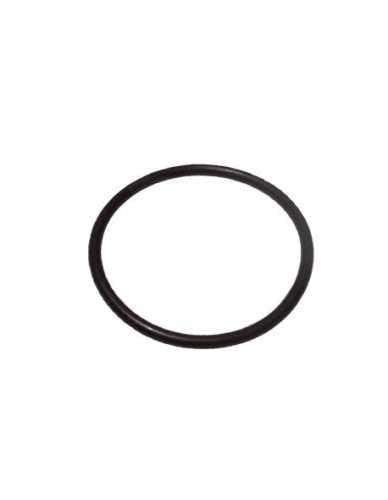
La Spaziale boiler gasket o ring
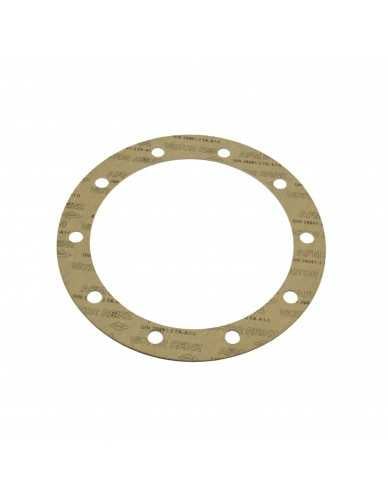
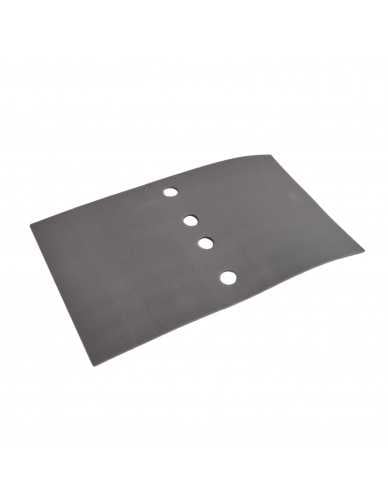
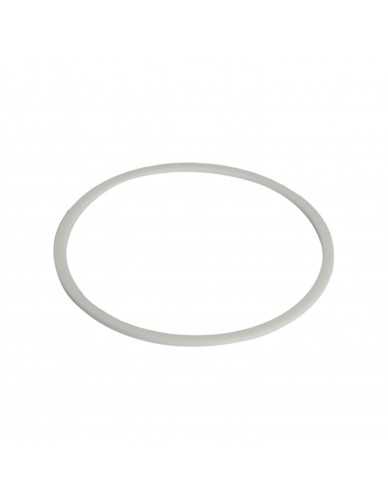
La Pavoni boiler gasket 235x200x3mm
La Cimbali boiler gasket 214x200mm
Faema boiler gasket 150x137x3mm
San Marco 22/95 heat exchanger
Rancilio EN boiler gasket 175x125x2mm
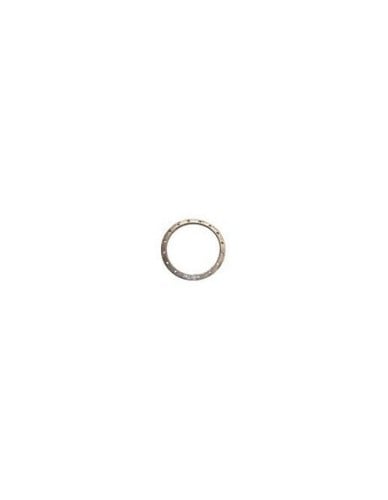
Faema E61 flange heating element side 12 holes
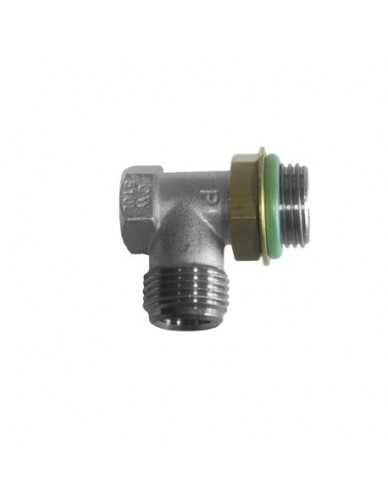
Vibiemme(VBM) fitting 1/8” x M10
Water drawing tube 1/8"M - 1/4" M
La Spaziale water level probe
Gaggia boiler safety valve 3/8" 3/4" 1,8 bar
Boiler gasket 142x130x3mm
Wega L boiler fitting 1/2"
Gaggia E90/D90 heat exchanger 40x210mm
Nuova Simonelli boiler insulation 110mm
Vibiemme PTFE boiler gasket 165x150x3mm
Faema ariete aluminium boiler ring 16 holes 246X210X10mm
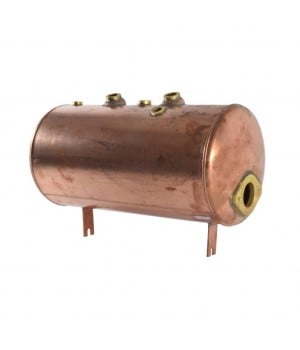
Boiler Types and Materials
In most cases, there was only one boiler inside the espresso machine. However, nowadays, it is more common to see espresso machines with a central steam boiler and a brewing group boiler. There has also been a shift in materials used; traditionally, boilers were always made from copper and brass. But now, more stainless steel boilers are being used in espresso machines.
Sealing Espresso Machine Boilers
Boilers in espresso machines also need to be sealed properly. In the past, it was common to have an open boiler on one or two sides. These sides were sealed off with a boiler gasket and a boiler flange. Sometimes, they were used in combination with boiler rings to evenly distribute the pressure across the flange.
Safety and Vacuum Valves
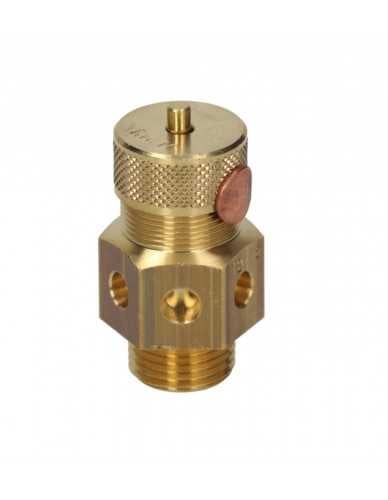
There are also critical components like the safety valve. This is the last line of defense in ensuring the espresso machine operates safely. The boiler safety valve opens up when the pressure inside the boiler exceeds a certain level. Additionally, the vacuum valve helps release any "false" air trapped in the boiler during heating. The vacuum valve will close once the pressure inside the boiler reaches the necessary level.