Flowmeter parts in Espresso Machines
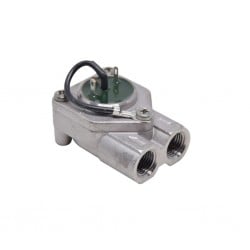
Gicar flowmeter 9.0.99.18G
Nuova Simonelli/Gicar flowmeter 9.0.99.28G
How Flowmeters Work
Flowmeters work by measuring the rate of water passing through them. They typically feature an impeller that spins as water flows through the body of the flowmeter. This movement generates a signal that is sent to the machine’s dosing device and touchpanel, providing real-time feedback on the volume of water dispensed. This integration ensures that the espresso machine can accurately deliver the set amount of water for each brew. Without a dosing device and touchpanel, the flowmeter alone cannot function as intended, highlighting the importance of these interconnected components. You can find more about the dosing device and touchpanel that work with flowmeters.
Flowmeter Components
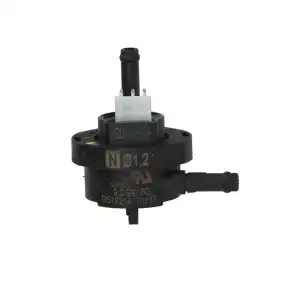
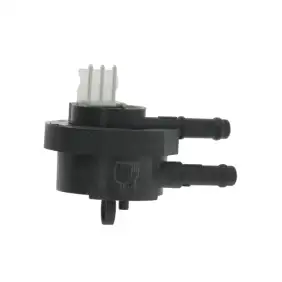
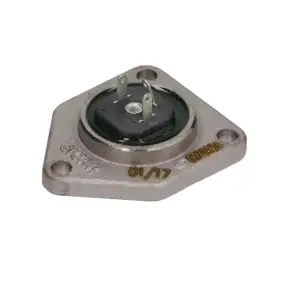
A typical flowmeter consists of three main components: the body, the impeller, and the cover. The body of the flowmeter usually features one or two inlets and outlets, with the most common size being ¼” BSP-G. For example, some models from the Swiss company Digmesa can have two inlets, allowing for more precise flow control. Inside the body is a nozzle, typically with a diameter between 1.0 and 1.2mm, which helps regulate the flow and ensures accuracy in measuring water dispensed.
Brands and Manufacturers
Most espresso machine brands rely on flowmeters manufactured by the Italian company Gicar. However, well-known brands like the Cimbali Group and Carimali opt for flowmeters from the Swiss company Digmesa. Regardless of the brand, these flowmeters are designed to meet the same fundamental function: providing accurate measurement of water flow to ensure consistent and precise espresso brewing.
Conclusion
Flowmeters play a crucial role in maintaining consistency and accuracy in espresso brewing. By working in tandem with a dosing device and a touchpanel, they provide an automated system for measuring and controlling the water flow. While not all espresso machines feature flowmeters—those without volumetric dosing will lack this component—modern machines that incorporate them ensure a precise and streamlined brewing process.