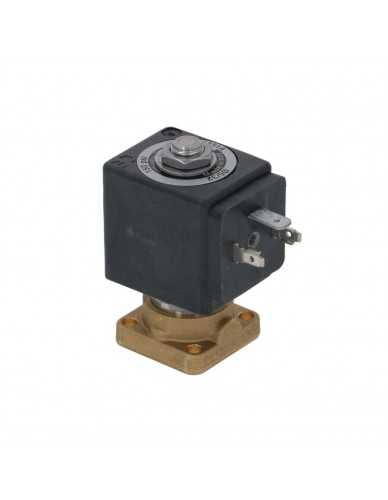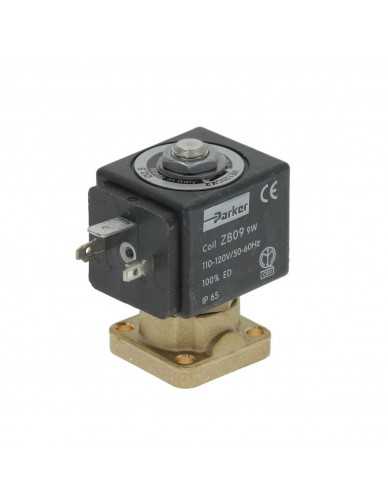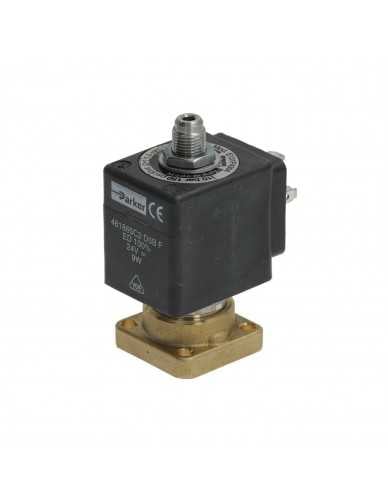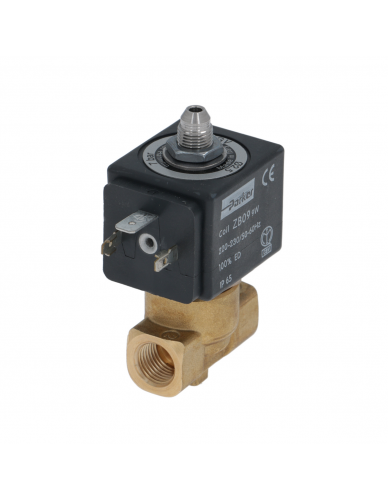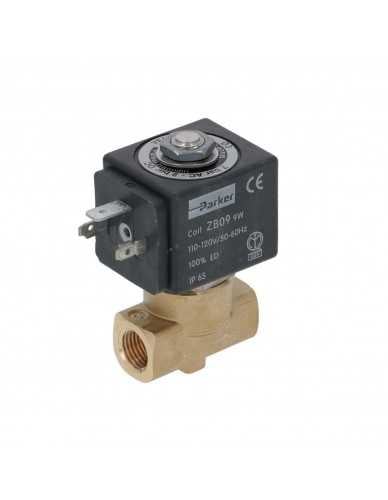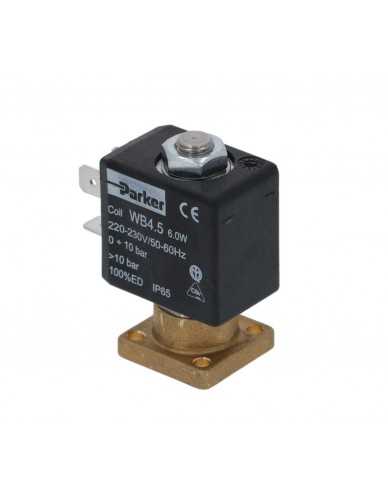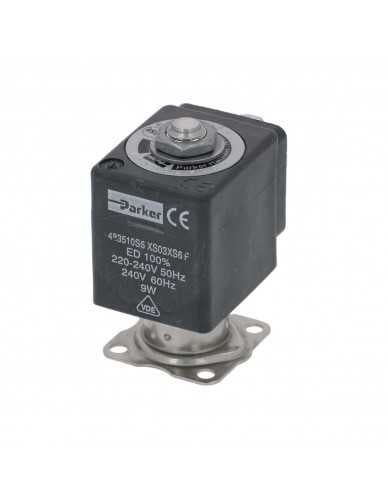
List of products by brand Parker
Parker solenoid valves are widely used for dependable on/off control of liquids and gases in professional equipment and industrial installations. When a valve starts leaking, buzzing, sticking, or fails to open/close correctly, the fault is often in a serviceable component—not the entire valve.
For maintenance and repairs, you can source key Parker solenoid valve components such as coils, plungers/armatures, diaphragms, gaskets, seals, and valve bodies, helping you restore reliable switching and leak-free operation while keeping downtime low.
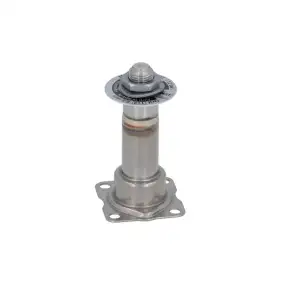
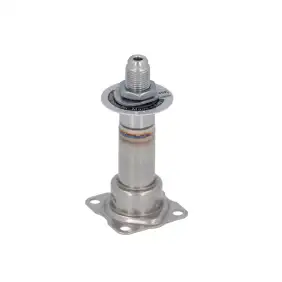
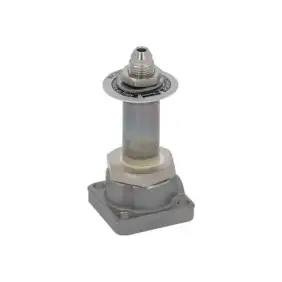
Parker 3 way valve body 3019F1LRG7 stainless
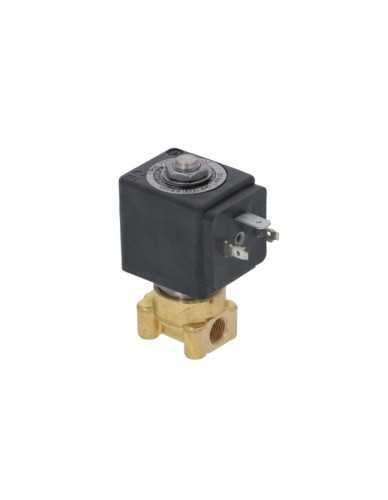
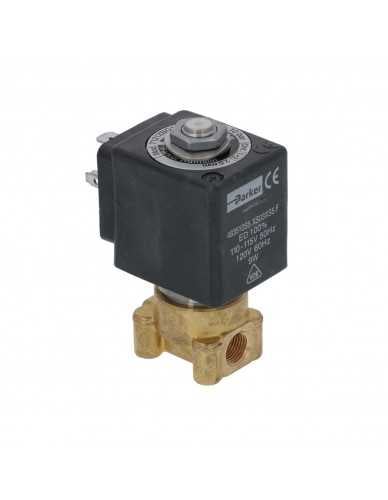
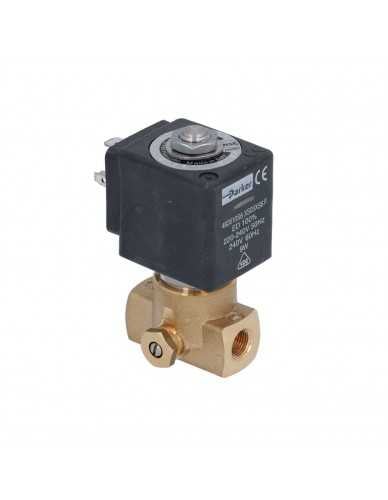
Astoria OEM 4918162005 solenoid valve Parker 2-way 220/240V 9W
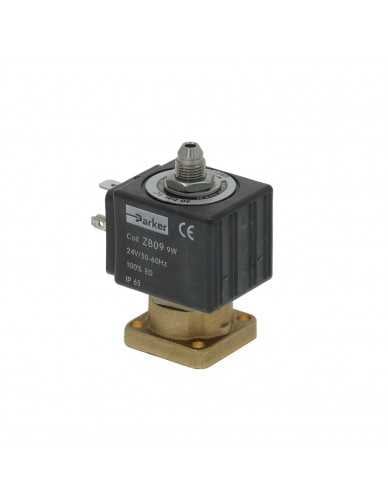
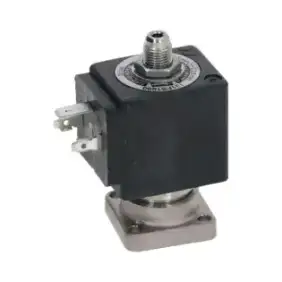
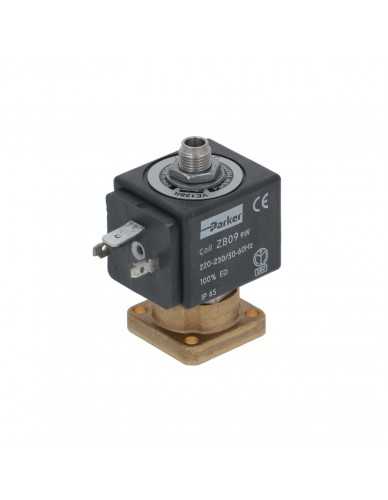
Astoria OEM 834918151R solenoid valve Parker 3-way 220/240V
Astoria OEM 4918162004 Solenoid Valve Parker 2-Way 208/240V 1/8
Nuova Simonelli OEM 4100076 Solenoid Valve Parker 3-Way 230V
Parker Solenoid Valve 7321BAN00 1/2" FF
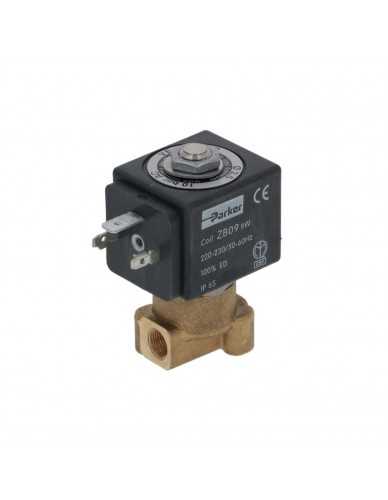
Parker ELV 2-Way G1/4F D2 220-230V 50Hz Solenoid Valve
Solenoid Valve 3V BASE GR D1.3 230V 50Hz Parker
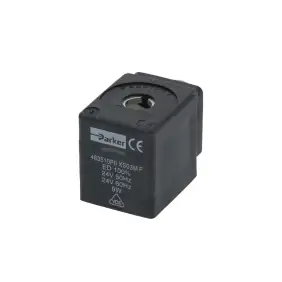
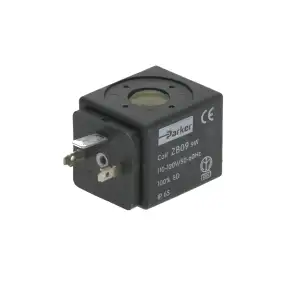
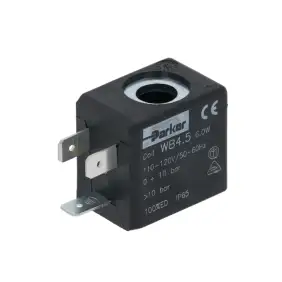
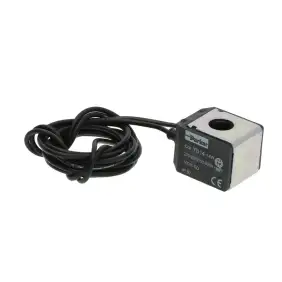
Parker coil YB09 220/230V 9W for coffee machines
Parker 121ZH1025 solenoid valve 2-way 230V 9W (FKM)
About Parker solenoid valves
Parker’s solenoid valve portfolio covers a broad mix of valve types and configurations used across many industrial markets, with multiple function and material options depending on the application.
In practical terms, you’ll commonly see:
-
2-way and 3-way designs (and, depending on the range, additional functions)
-
Normally closed / normally open variants
-
Direct-acting and pilot-operated solutions (application dependent)
Common Parker solenoid valve components you can replace
Depending on the series and valve design, service parts often include:
-
Coils (the electromagnetic actuator; a common cause of heat, buzzing, or non-actuation)
-
Plungers / armature assemblies (sticking or wear can cause slow or inconsistent switching)
-
Diaphragms and internal sealing elements (critical for shut-off and pressure stability)
-
Gaskets, seals and O-rings (often the root cause of external leaks)
-
Valve bodies or internal body parts (when seats or housings are damaged or worn)
-
Electrical connection parts (connectors, plugs, cable glands—setup dependent)
Why correct part matching matters
Solenoid valves are spec-sensitive. To avoid repeat failures, the replacement component must match the valve and application requirements, such as:
-
Coil voltage and frequency (and connector style)
-
Media (water/steam/air/gas/oils—application dependent)
-
Pressure range and differential pressure
-
Temperature limits
-
Connection type and size
-
Seal material compatibility