How to find the correct espresso machine spare part
Espresso machines contain mechanical, hydraulic and electrical components, and many parts can look similar even when they are not interchangeable. Use this identification order:
machine manufacturer → exact model/version → OEM reference → part function → technical specifications → listed machine compatibility
1. Start with the manufacturer and exact machine model
The machine manufacturer and exact model are usually the best starting point. Use the espresso machine brand and model section to narrow the assortment before comparing individual parts.
Do not rely on the brand name alone. A manufacturer can use several different brewing groups, boilers, heating elements, pumps, valves and electrical systems across its machine range.
Production year, serial-number range, number of groups or a particular machine version can also matter. If these details are relevant to a part, compare them with the parts manual or manufacturer information.
2. Use the OEM reference whenever possible
An OEM part number is one of the strongest ways to identify a replacement. Search for the reference found in the machine parts diagram, service manual or on the original component.
An OEM reference can also help identify a compatible replacement made by another manufacturer. Always confirm that the technical specifications and listed application correspond with the original part.
3. Identify the correct part category
If you know which part of the machine requires repair, use the corresponding technical category instead of searching the complete assortment.
Common routes include:
- brewing group parts for group gaskets, shower screens, valves, diffusers, jets, springs and other group components;
- boiler parts for boilers, flanges, boiler gaskets and associated hydraulic components;
- heating elements for boiler heating;
- pumps and motors for water-pressure and supply components;
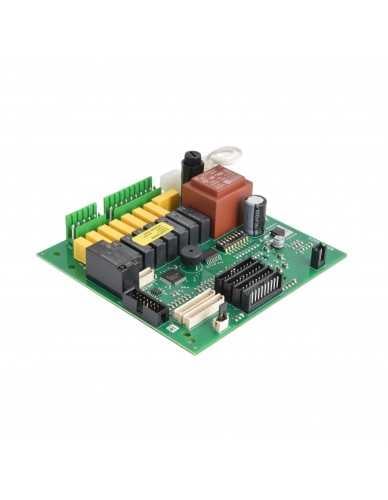
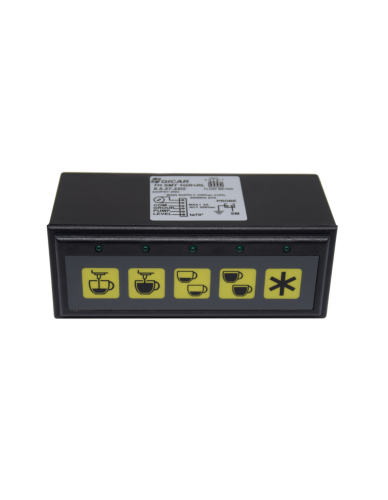
- electrical components for switches, thermostats, probes, contactors, controllers and other electrical parts;
- solenoid valves for electrically operated water and steam control;
- steam valve parts and water valve parts for manual valve assemblies;
- fittings for adapters, nipples, T-pieces, elbows, plugs and tubing connections;
- gaskets for sealing applications throughout the machine;
- portafilters and filter baskets for the coffee-handling side of the brewing group.
Technical specifications depend on the part type
There is no single measurement that identifies every espresso machine component. The specifications that matter depend on the type of part being replaced.
Gaskets and O-rings
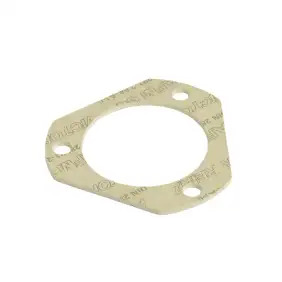
For gaskets, compare the sealing application, outside diameter, inside diameter, thickness, profile and material.
Matching dimensions alone do not always make different gasket materials interchangeable. Heat, pressure, compression and the original sealing design also matter.
Heating elements
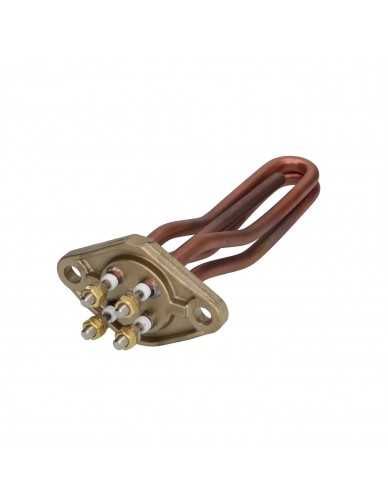
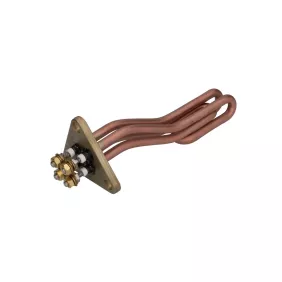
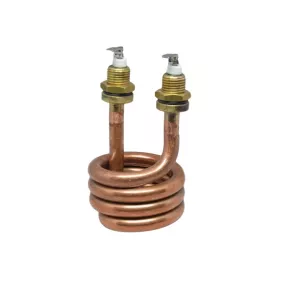
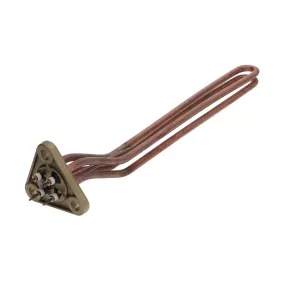
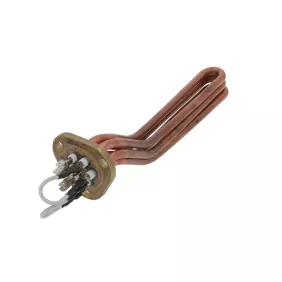
For heating elements, check the machine and OEM reference first, followed by voltage, wattage, flange or thread, mounting pattern, immersed length, terminal configuration and required gasket.
An element with the correct voltage and wattage is not automatically compatible if the flange, length or mounting geometry differs.
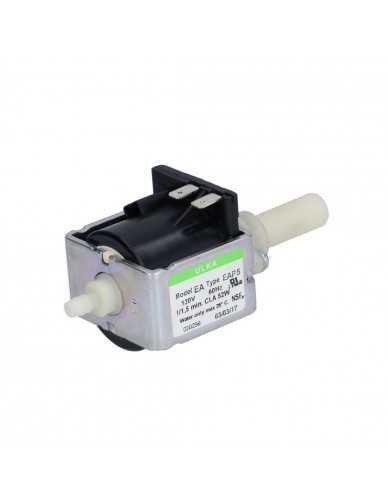
Pumps and pump motors
For pumps and motors, first identify whether the machine uses a vibration pump, rotary vane pump or another pump system.
Depending on the component, check voltage, frequency, flow or capacity, inlet and outlet connections, rotation, mounting and motor-pump interface.
Solenoid valves
For solenoid valves, compare the number and configuration of ports, thread sizes, valve function, flow direction, coil voltage, frequency and electrical connector.
A similar-looking valve body or coil does not confirm compatibility.
Fittings, tubing and flexible hoses
For fittings, identify both sides of the connection separately. Check thread standard, nominal thread size, male or female configuration and sealing geometry.
For tubing and flexible hoses, dimensions such as tube diameter or hose length are separate from the threaded connection dimensions. Also check straight or angled fittings, pressure rating and the original sealing method.
Related categories include silicone and Teflon hoses and stainless steel braided hoses.
Brewing group parts
For brewing group parts, compatibility can depend on the exact group design as well as machine model.
Portafilter gaskets require dimensions, thickness, profile and material; shower screens require diameter, depth and mounting method; valves and jets can require exact threads, lengths, springs, sealing surfaces and calibrated bore sizes.
Descriptions such as “E61-style” should not be treated as proof of universal compatibility.
Steam and water valves
For steam valves and water valves, determine whether the complete valve or only an internal component needs replacing.
Valve shafts, springs, gaskets, O-rings, seats, knobs and tubes can all be model-specific. Compare the complete original assembly and OEM references where available.
Water inlet and general hydraulic valves
The filling and pressure-control circuits can use several different valve types. See water inlet valves and espresso machine valves for components such as inlet, expansion, non-return, anti-vacuum and safety-valve applications.
Valve function is part of compatibility. Do not substitute one type of hydraulic valve simply because the thread size matches.
Portafilters and filter baskets
For portafilters, the brewing-group interface is crucial. Compare group compatibility, lug or ear geometry, orientation, basket diameter and spout configuration.
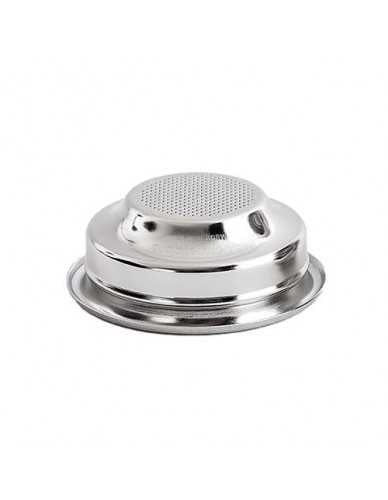
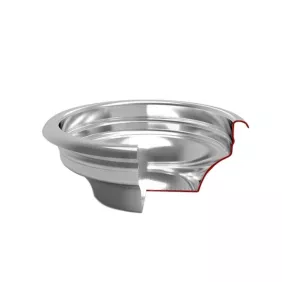
For filter baskets, compare basket diameter, height, dose or capacity, rim design and intended portafilter/group application.
Electrical components
For parts in the electrical components category, check the complete electrical specification rather than selecting by appearance.
Depending on the component, this can include voltage, frequency, switching capacity, temperature range, probe type, connector, mounting arrangement and control function.
OEM parts and compatible replacements
An OEM/original part is supplied under or corresponds directly with the machine manufacturer's original reference. A compatible replacement is produced as an alternative for the same application.
Compatible does not mean universal. The replacement still needs to match the required dimensions, material, electrical or hydraulic specification and machine application.
When both OEM and compatible versions are available, use the OEM reference and technical specification to compare them.
Shared applications between espresso machine brands
Many espresso machine manufacturers use components from the same specialist suppliers or use common technical standards. A pump, solenoid valve, pressure switch, gasket, fitting or other component can therefore be correctly listed for several machine brands.
Multiple brand applications are not automatically a data error. What matters is whether the OEM references and technical specifications match the application.
Do not identify spare parts from appearance alone
Many espresso machine components are visually similar. A photograph is useful as an additional check, but it should not be the main identification method.
Whenever possible, combine:
- machine manufacturer;
- exact model and version;
- production year or serial-number range where relevant;
- OEM part number;
- part function;
- dimensions;
- material;
- thread and connection type;
- electrical specifications;
- listed machine compatibility.
Generic parts and machine-specific parts
Some components are highly machine-specific, such as certain brewing-group bodies, electronic control boards or custom boiler parts. Other parts, including many fittings, gaskets, pumps, switches and valves, can be shared between several manufacturers.
For a generic component, select from the technical specification and confirmed application rather than expecting the part to carry the espresso machine brand name.
Availability and lead times
Availability and lead times vary by product and manufacturer. Standard and machine-specific parts can have different supply times, so use the individual product page for the current product status.
Looking for coffee grinder parts?
Espresso machine parts and coffee grinder parts use separate category structures. For grinder-specific components such as grinding burrs, dosers, hoppers and grinder motors, use the coffee grinder parts section.